
Quick take
LiLash Purified Eyelash Serum is a $90, 2 mL serum that LiLash markets as a three-month supply. Its current ingredient list names dehydrolatanoprost, which LiLash itself describes as a prostaglandin analog. This is a prostaglandin-analogue formula, not a prostaglandin-free option.
LiLash also says the serum is physician-formulated and ophthalmologist-tested. Those are brand claims, not evidence that the product is risk-free or that it will produce a particular result for every user.
Ranking: LiLash scores 7.1/10 and ranks #12, ahead of RapidLash on the ingredient-safety tiebreaker. The score reflects our review of the current label, price, and published evidence rather than a product-specific tester panel.
How the 7.1 score is calculated
These are editorial comparison scores, not clinical measurements. The effectiveness-evidence input reflects dated label research, published sources, and user-review patterns; it does not represent a LiLash trial or tester panel.
| Criterion | Weight | Score |
|---|---|---|
| Ingredient Safety | 25% | 5.2/10 |
| Effectiveness Evidence | 25% | 8.8/10 |
| Value | 15% | 7.3/10 |
| User Reviews | 15% | 7.8/10 |
| Transparency | 10% | 4.5/10 |
| Ease of Use | 10% | 8.5/10 |
Weighted result: 7.065, rounded to 7.1/10. LiLash wins the 7.1 tie because its ingredient-safety score is 5.2/10; RapidLash's ingredient-safety score is 5.0/10.
What changed on
We rechecked the current $90, 2 mL listing, upper-lash-line-only directions, dehydrolatanoprost disclosure and three-month supply claim. The 7.1/10 score is unchanged.
Verdict: Score and ranking unchanged after this source check.
Brand and product timeline
-
LiLash launches
The brand says it introduced the Purified Eyelash Serum in 2007. Source
-
The brand marks 19 years
LiLash published a retrospective keeping the original lash serum at the center of its story. Source
-
Price, label and directions rechecked
The current 2 mL listing remains $90 and names dehydrolatanoprost in the ingredient list. Source
Package label check:
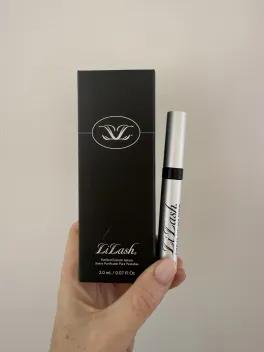
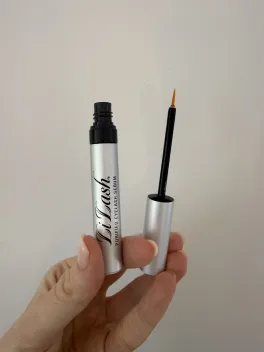
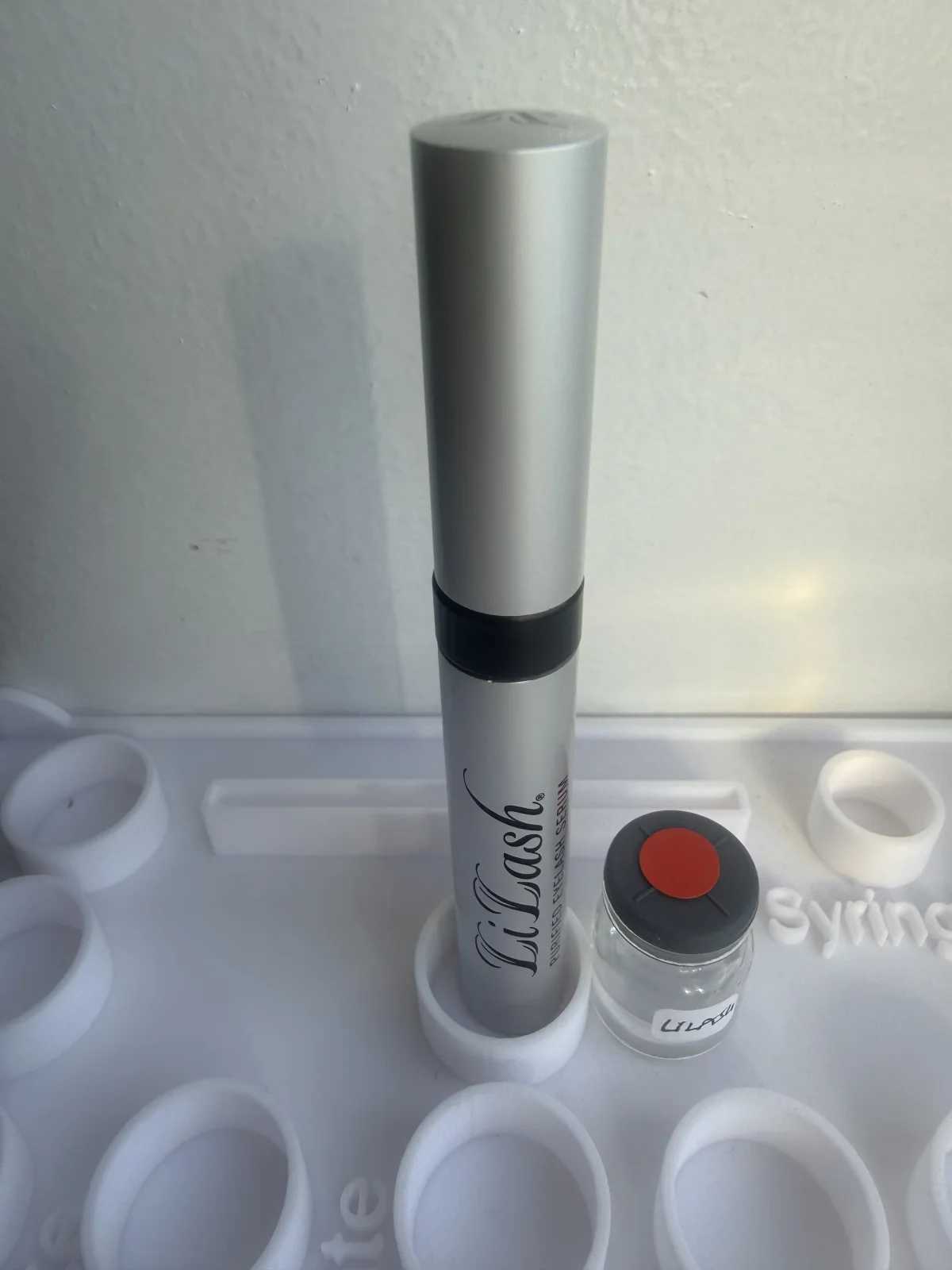
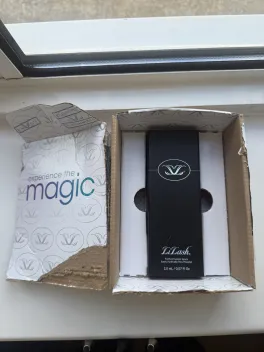
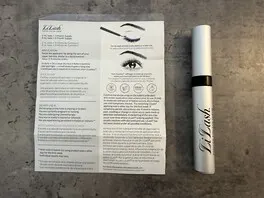
What we found on the photographed unit: The unfolded LiLash leaflet gives daily upper-lash-line directions and says to allow 2–3 minutes to dry. It warns against use during pregnancy or nursing, with a damaged seal, or on an injured or inflamed eye, and says to discontinue use for persistent irritation. The leaflet does not show an ingredient list, so the ingredient discussion in this review remains tied to the dated direct listing and linked sources.
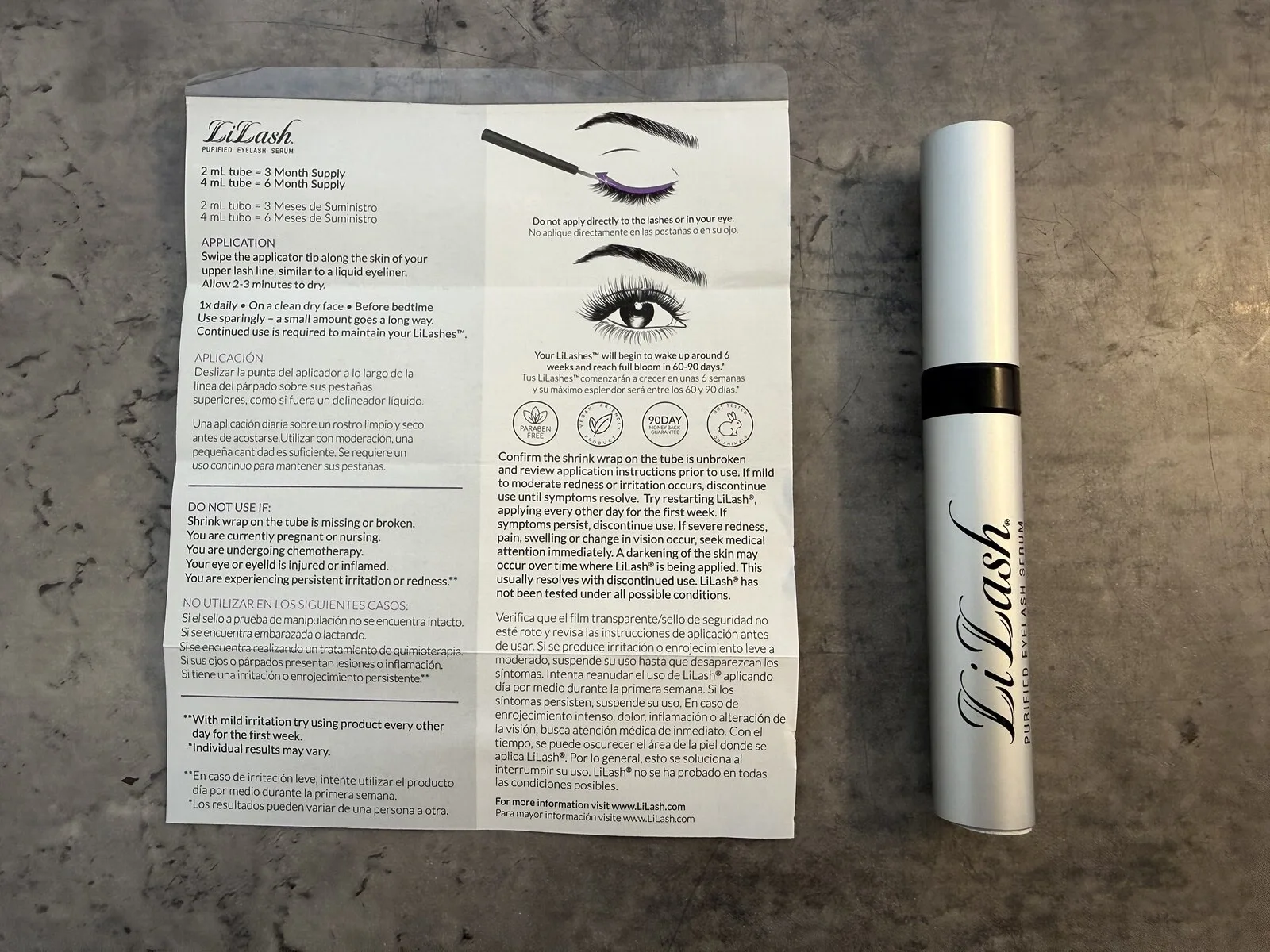
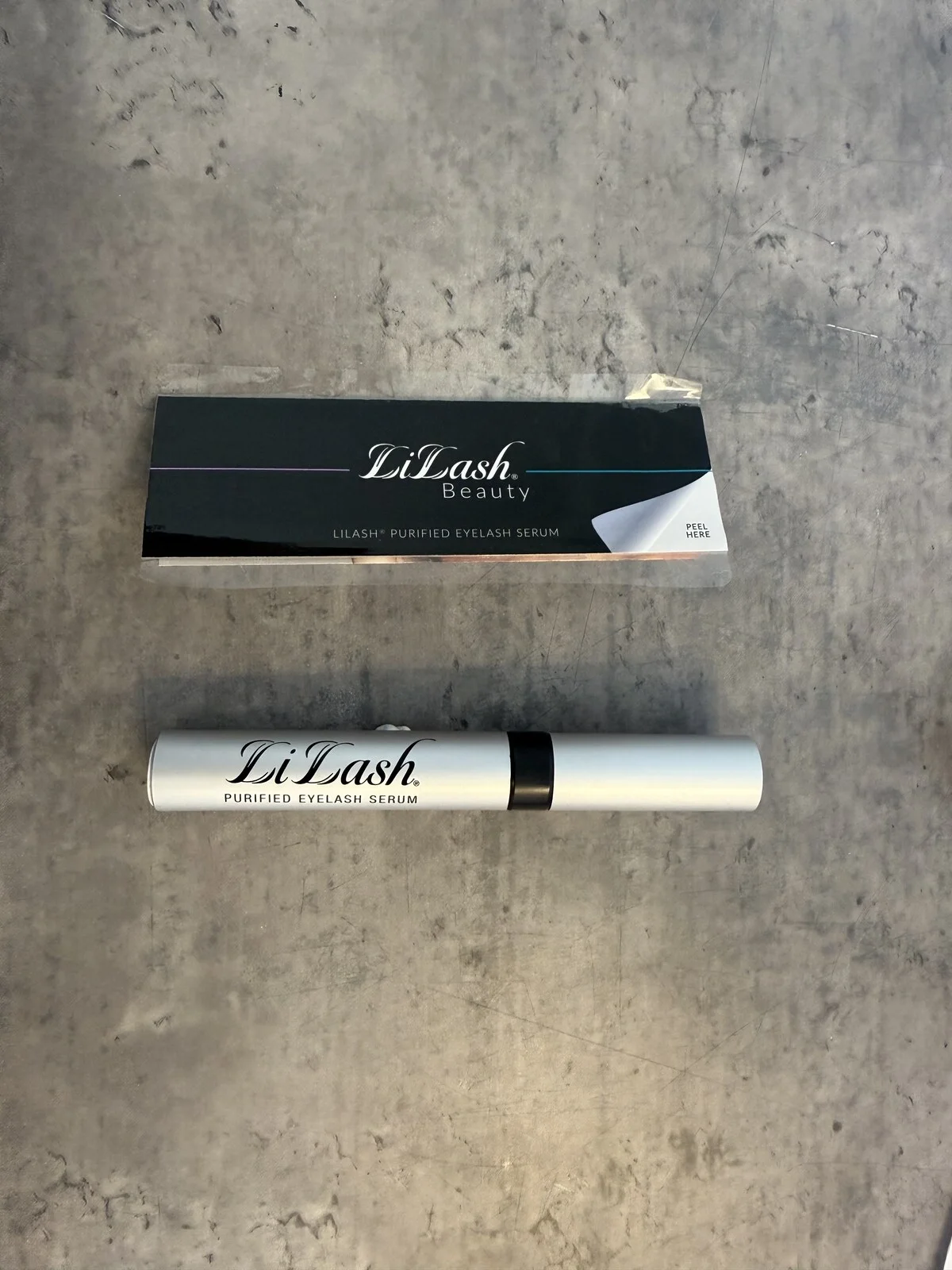
Evidence limit: This documents one photographed unit. Packaging, formulas, and inserts can vary by market, lot, size, and date. The photograph does not establish how often a reaction occurs or prove that the finished formula is safe for every user.
Current product facts
| Overall score | 7.1/10 (#12 of 15) |
|---|---|
| Score basis | Current label, price, published evidence and user-review patterns; no product-specific tester panel located |
| Price checked | $90 at LiLash.com |
| Size | 2 mL, marketed as a three-month supply |
| Formula status | Contains dehydrolatanoprost, a prostaglandin analog according to LiLash |
| Supporting ingredients | Panthenol, hydrolyzed lupine protein, glycerin, sweet-almond fruit extract and silica |
| Availability | Direct product page listed 2 mL and XL 4 mL variants when checked. Price and availability can change. |
Current formula
The current direct listing names water/aqua, caprylyl glycol, hydroxyethylcellulose, glycerin, chlorphenesin, panthenol, hydrolyzed lupine protein, Prunus amygdalus dulcis fruit extract, silica, phenoxyethanol, citric acid, dehydrolatanoprost and ethylhexylglycerin. Recheck the package before purchase because cosmetic labels can change.
Directions and safety boundary
LiLash instructs users to apply the serum to the upper lash line only. Do not apply it to the lower lash line. Its product page says to discontinue use and consult a doctor for persistent irritation. It also identifies sweet-almond extract and recommends consulting a physician for a tree-nut allergy.
For pregnancy or nursing, an eye condition, glaucoma medication, recent eye surgery or persistent eye-area symptoms, consult a qualified clinician. This page is educational and not medical advice.
Evidence limit
LiLash says users may see noticeable change in 2 to 4 weeks and full results in 8 to 12 weeks. Those are brand expectations, not controlled evidence we independently verified. We did not locate a product-specific, peer-reviewed trial or a documented testing panel for this review, so this page does not turn brand claims, consumer reviews or ingredient-class literature into a guaranteed result.
A 2022 PubMed-indexed paper reports a Lash Boost case and an analysis of commercial before-and-after images consistent with prostaglandin-associated periorbitopathy. It does not establish a product-specific adverse-event rate for LiLash or prove that every prostaglandin-analogue serum causes that outcome.