Our Promise
We buy the products we test ourselves. No brand pays for placement. No company sends us free product in exchange for reviews. Our editorial team purchases each serum it tests at retail price and tests it under real-world conditions. Where we have not run a product-specific test, the review says so on the page. Rankings are determined solely by our weighted scoring methodology.
The 14 serums we photographed
Original editorial photography · The Lash List · July 2026. Units are listed alphabetically, not by rank; 14 of the 15 ranked serums appear here.
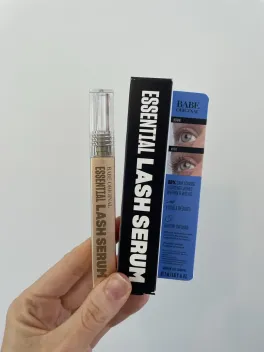
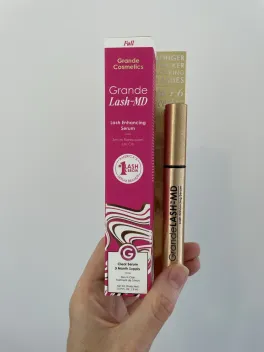
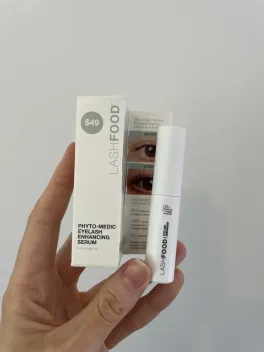
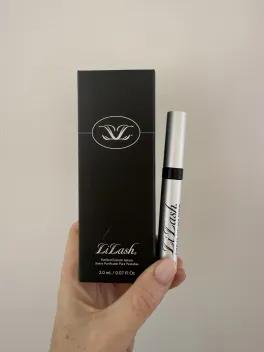
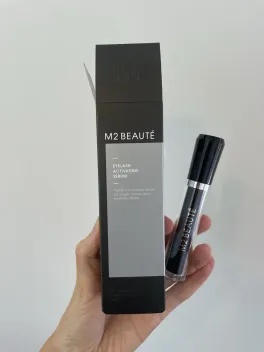
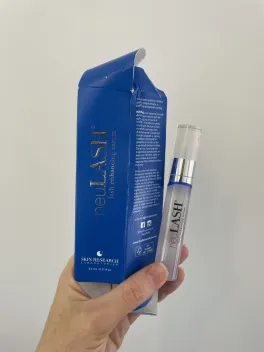
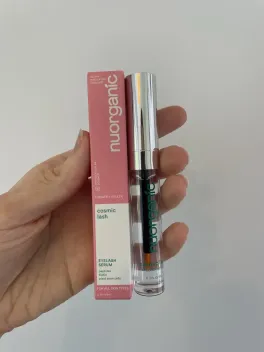
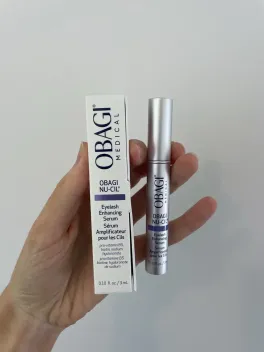
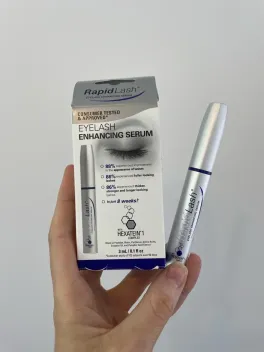
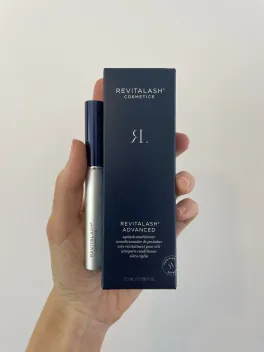
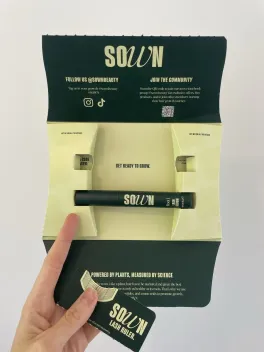
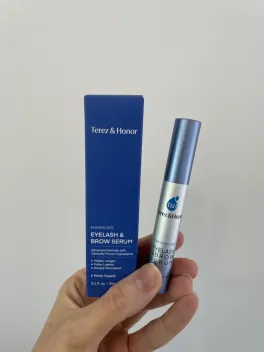
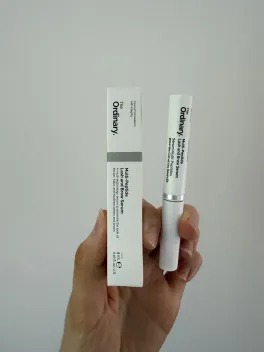
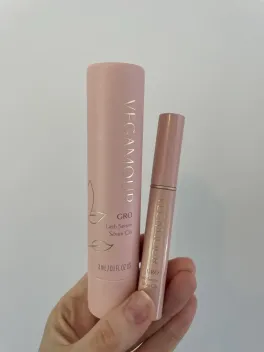
Every photograph in this section was taken by The Lash List of the units we examined in July and September 2026. No brand-supplied studio imagery appears here. The photographs show possession and examination of packaging only; they are not evidence of results or tolerability. The full set is in our packaging and unboxing review.
The Testing Process

Each serum is tracked as a numbered test sample through ingredient review, application testing, and result documentation. The 25+ tester inputs shown on our homepage describe the broader 15-product research program; this does not mean 25+ people tested every product. Each product review identifies its own subgroup, which may be a smaller three-person panel. Each serum we test runs for at least 12 weeks following the manufacturer's application directions. Each serum goes through a structured evaluation that combines those hands-on observations with research-based analysis, and product-specific panel notes are kept separate from clinical evidence.
We document results with macro photography at baseline, week 4, week 8, and week 12. We note any sensitivity reactions, application issues, or changes in lash appearance throughout the testing period. We also conduct a thorough analysis of each product's ingredient list, published clinical data, regulatory history, and user review landscape.
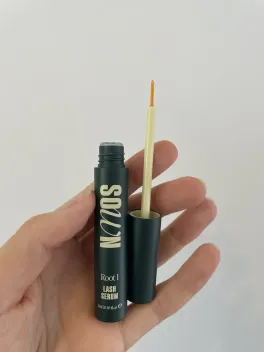
The lineup and product photographs show only the items examined and how they were organized. They are not evidence of efficacy, tolerability, sterility, or a laboratory assay.
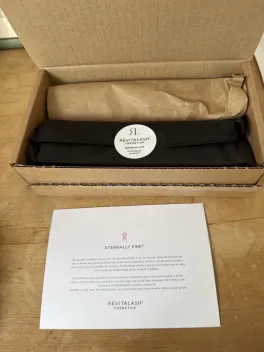
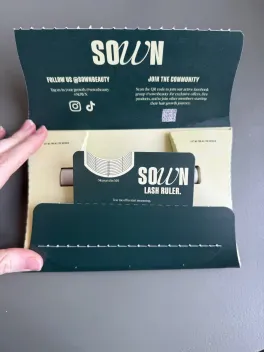
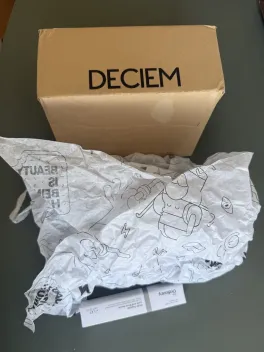
From parcel to applicator
Shipping photography is limited to the orders we confirmed as direct from the brand. Retailer and marketplace parcels are not shown as a brand’s own delivery experience.
The Six Scoring Criteria
1. Ingredient Safety - 25% Weight
The highest-weighted criterion because what you apply near your eyes matters most. We analyze every ingredient for documented safety concerns, with particular attention to prostaglandin analogues and their associated risks. Serums with prostaglandin-free formulas score inherently higher in this category. We also evaluate for potential allergens, irritants, and the presence of certifications (Ecocert, Leaping Bunny, etc.).
10/10 = Prostaglandin-free, ophthalmologist-tested, major certifications, zero known irritants.
5/10 = Contains prostaglandin analogue with appropriate disclosure.
3/10 = Contains prostaglandin with poor disclosure or multiple concerning ingredients.
2. Effectiveness - 25% Weight
Equally weighted with safety because a product needs to work. We evaluate effectiveness through our own testing results (measured lash improvements over 12 weeks), published clinical trial data, and the breadth of user-reported outcomes. We consider both speed and magnitude of results.
10/10 = Dramatic improvement visible by week 6, consistent across testers, backed by clinical data.
7/10 = Moderate improvement visible by week 8-10, some tester variability.
5/10 = Minimal or inconsistent improvement, limited supporting data.
3. Value - 15% Weight
We calculate the effective monthly cost by dividing the retail price by the product's realistic lifespan with daily use. A $78 serum that lasts 3 months ($26/month) may offer better value than a $30 serum that lasts 1 month ($30/month). We evaluate value relative to results - a product that costs more but delivers proportionally better results can still score well.
4. User Reviews - 15% Weight
We aggregate user reviews from the brand's website, Amazon, Sephora, Ulta, and other major retailers. We look beyond average star ratings to evaluate review authenticity, recency, and the specificity of reported results. We flag products with suspicious review patterns (bulk positive reviews on the same date, identical language, etc.).
5. Transparency - 10% Weight
How forthcoming is the brand about what's in their product and how it works? Brands that clearly disclose all ingredients, publish clinical data, and don't use misleading marketing language score higher. Brands that bury prostaglandin ingredients behind chemical names or market themselves misleadingly score lower.
Package labels and leaflets
Original editorial photography · The Lash List · July–September 2026. These package label, carton, and insert photographs support eight product reviews, with label checks dated from through . Open a photograph for a close view.
In our tested set, an enclosed, large warning leaflet was an indicator that a serum contained a prostaglandin analogue: none of the prostaglandin-free serums we tested included this type of large warning leaflet. This is a screening clue, not proof, so confirm the dated ingredient list for the exact product and market.


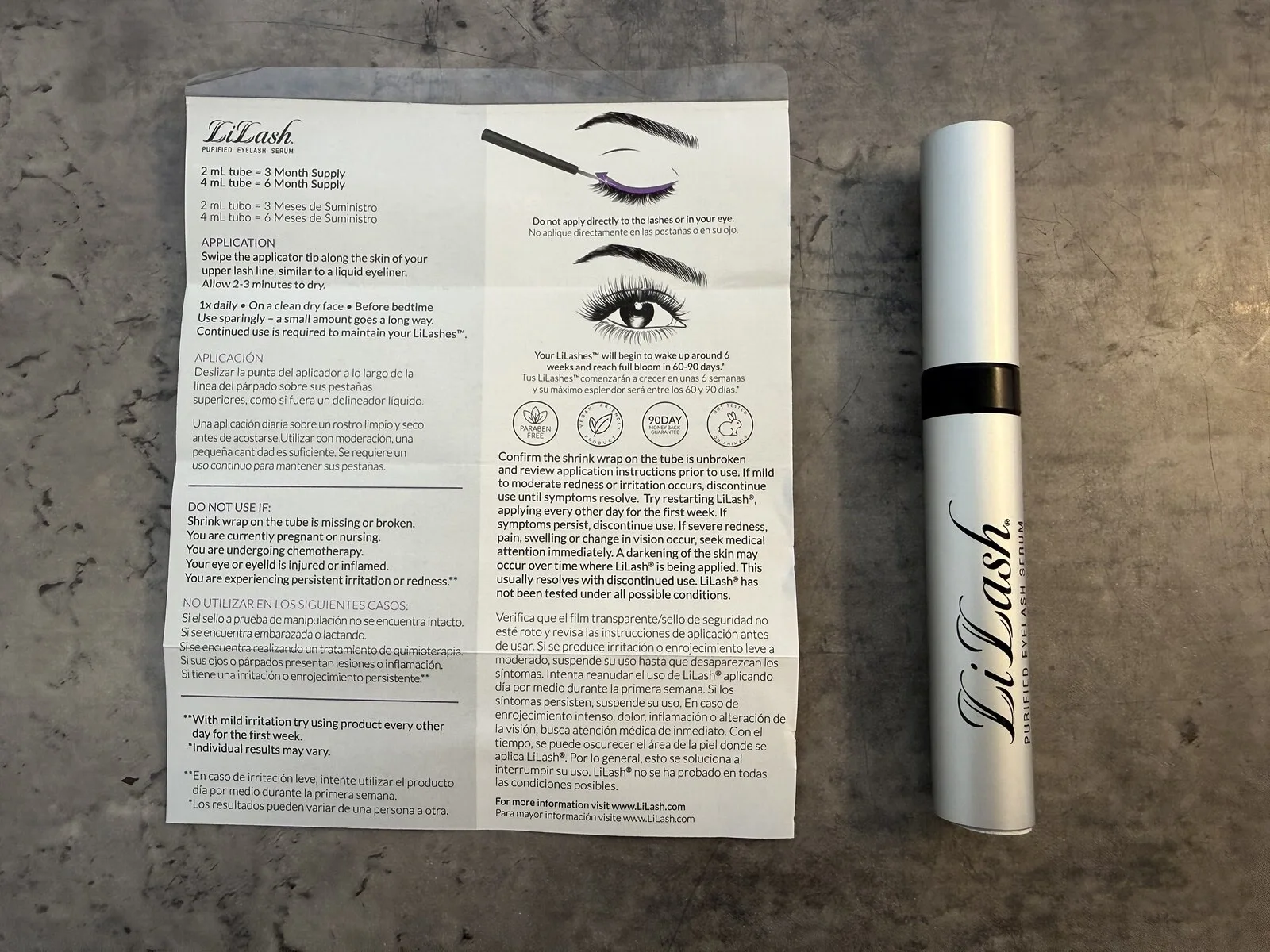
These photographs document one reviewed unit per product. Packaging, formulas, and inserts can vary by market, lot, size, and date. A package image does not establish how often a reaction occurs or prove that the finished formula is safe for every user.
6. Ease of Use - 10% Weight
The quality of the applicator, the consistency of the formula, drying time, compatibility with other products, and the overall daily-use experience. A great formula in a frustrating package loses points. Precision applicators, fast-absorbing formulas, and travel-friendly packaging earn credit.
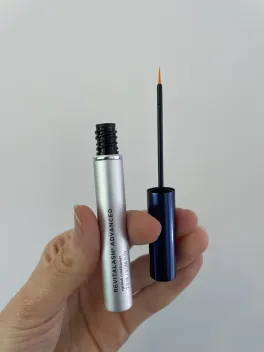
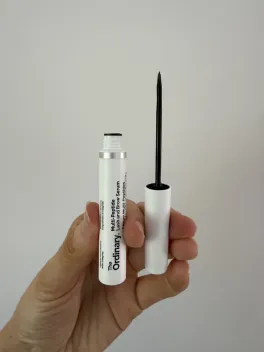
The 14 applicators we photographed
Listed alphabetically, not by rank.
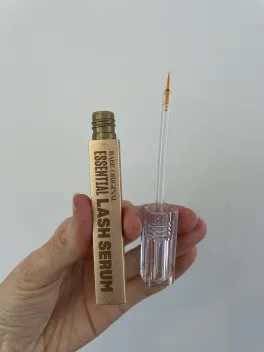
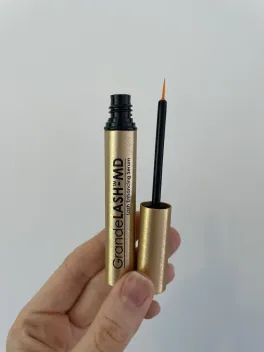
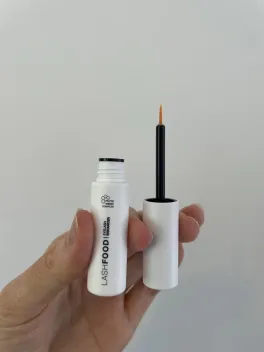
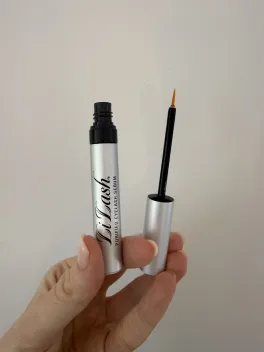
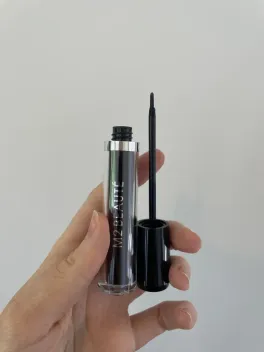
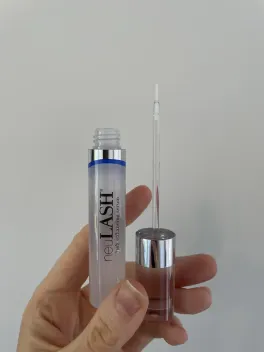
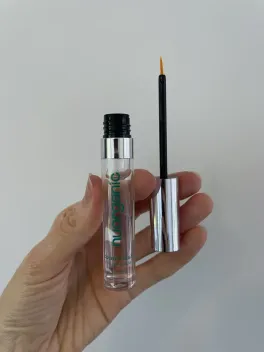
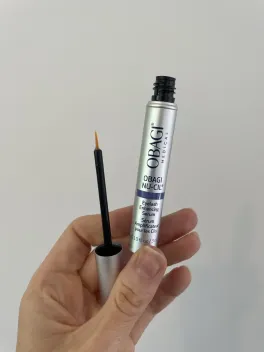
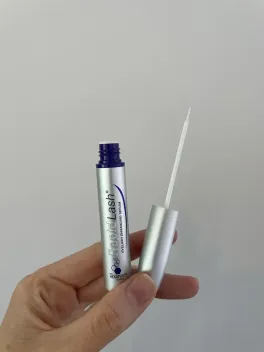
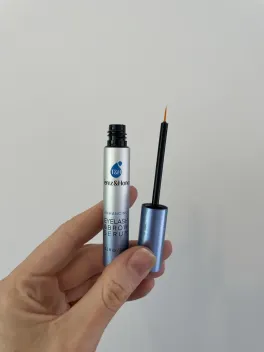
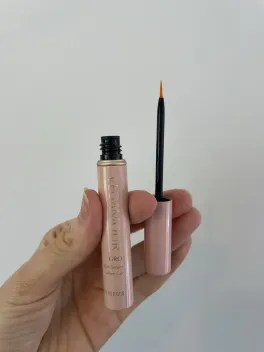
For these 14 products we assessed the applicator in hand, so the observations come from the reviewed unit rather than from brand product descriptions. Latisse is ranked but does not appear here because we have no original photography for it.
Score Calculation
Each criterion is scored on a scale of 1-10. The overall score is a weighted average:
Overall Score = (Safety × 0.25) + (Effectiveness × 0.25) + (Value × 0.15) + (User Reviews × 0.15) + (Transparency × 0.10) + (Ease of Use × 0.10)
Scores are rounded to one decimal place. Products are ranked by overall score, with ties broken by the safety score (our highest priority).
What We Don't Do
We don't accept free products from brands. We don't accept payment for reviews or rankings. We don't allow brands to see or approve reviews before publication. We don't use sponsored content or pay-to-play rankings. If we earn affiliate commissions from product links, this is disclosed and does not influence our editorial scoring or rankings.