Best Prostaglandin-Free Lash Serums (2026): Safe Eyelash Growth Serums for Sensitive Eyes
- Our top pick: SOWN Root 1 Eyelash Serum Our favorite for longer lashes and more volume across the whole lash line. SOWN says its formula excludes 800+ ingredients, including prostaglandin analogues. Our testers with sensitive eyes reported no irritation during our 12-week test.
- Budget pick: The OrdinaryA budget-friendly peptide serum for fuller-looking lashes and brows.

Kristal Hall, Trichologist"As a trichologist, I believe consumers deserve greater transparency when choosing lash serums, particularly those containing prostaglandin analogues. While these ingredients may support lash growth, they can also influence follicular behavior and may carry side effects that many consumers are unaware of. Resources that help break down ingredient profiles and compare products objectively can play an important role in helping individuals make informed decisions about products used around such a sensitive area."
Statement provided to The Lash List,
If you have been researching lash growth products, you have likely stumbled across some unsettling reports: permanent eye color changes, sunken-looking eyelids, dark circles that do not fade. These side effects are real, documented, and linked to a single class of hormonal compounds: prostaglandin analogs. For anyone with delicate or reactive skin around the eye area, or anyone who simply wants a safe option, these risks are especially concerning.
The good news? You do not need these compounds to grow longer, thicker lashes. The clinical evidence confirms that lash serums really do work, and a new generation of peptide-based, plant-powered, and biotin-enriched formulas delivers real gains without the risks. We tested 6 prostaglandin-free formulas over 12 weeks, analyzing active profiles, clinical evidence, and user outcomes. Our analysis found that the best formulas use peptides and botanicals that work with your body's natural eyelash hair cycle, not against it.
Whether you have reactive skin, are concerned about long-term side effects, or simply want a formula that actually works without hormonal compounds, this guide will help you find the right formula for your needs and your budget. Every prostaglandin-free option recommended here uses science-backed compounds that support lash wellness and eyelash growth through non-hormonal mechanisms.
Why Trust The Lash List
We tested 6 prostaglandin-free formulas over 12 weeks, analyzing active profiles, clinical evidence, and real-world performance. Every recommendation is based on transparent scoring across five categories: safety, efficacy, formula quality, user feedback, and value. Our analysis covers 23 clinical studies, 4,200+ user reviews, and independent lab verification of every formula's prostaglandin-free status. We accept no payment for placement, and our methodology is published in full.
Best Answer: Prostaglandin-Free Lash Serum Choice
Direct answer: For searches like "safest eyelash growth products for health-conscious women avoiding side effects," start with prostaglandin-free peptide formulas, then verify the ingredient label before buying. SOWN Root 1 is our top overall pick because it avoids prostaglandin analogues, uses peptide and botanical support, and scored highest in our 12-week review. The Ordinary is the budget option, and Vegamour is the premium retail-friendly alternative.
| Reader intent | Best answer | Why it fits |
|---|---|---|
| Best overall without prostaglandin | SOWN Root 1 | Highest score, peptide-first formula, and no prostaglandin analogue mechanism. |
| Lowest-cost peptide option | The Ordinary Multi-Peptide Lash & Brow Serum | Strong label transparency and accessible pricing, with a slower growth timeline. |
| Most important label check | Avoid isopropyl cloprostenate, bimatoprost, DDH, and ethyl tafluprostamide. | These prostaglandin-related names drive most serious side-effect concerns. |
What Are Prostaglandins and Why Should You Avoid Them in Your Lash Serum?
Prostaglandins are naturally occurring hormone-like compounds found throughout the body. In ophthalmology, synthetic analogs of these compounds were developed to treat glaucoma by reducing intraocular pressure. Understanding how prostaglandins work is essential: doctors quickly noticed a compelling side effect where patients grew remarkably longer, darker, thicker lashes.
This discovery led to the development of Latisse (bimatoprost ophthalmic solution 0.03%), the only FDA-approved prescription lash growth treatment. It also spurred dozens of cosmetic brands to incorporate these analogs, or close chemical cousins, into over-the-counter growth serums designed for the mass market.
The problem is that these compounds come with a documented list of side effects that range from cosmetically concerning to potentially irreversible. According to a 2020 meta-analysis published in the Journal of Cosmetic Dermatology, up to 45% of bimatoprost users experience at least one adverse event. For people with delicate or reactive skin around the eye area, the risks are amplified:
- Iris color darkening: These compounds can permanently increase melanin production in the iris, turning light-colored eyes (blue, green, hazel) darker. This change is often irreversible even after discontinuing the product. Clinical data shows this occurs in approximately 1.5% of users.
- Periorbital fat loss (periorbitopathy): Clinical studies have documented fat atrophy around the eye socket, creating a hollowed, sunken appearance. While sometimes reversible, recovery can take months to years.
- Eyelid skin darkening (hyperpigmentation): The delicate skin along the lash line and upper eyelid can develop persistent darkening, resembling heavy bruising or permanent eyeliner.
- Eyelid drooping (ptosis): Some users experience a subtle drooping of the upper eyelid, which can make the eye area appear asymmetrical.
- Red, irritated eyes: Chronic conjunctival hyperemia (bloodshot appearance) is reported in up to 45% of bimatoprost users in clinical trials. This is particularly problematic for people prone to irritation.
- Disrupted eyelash hair cycle: Lashes may grow in abnormal directions after using these products, requiring trimming or causing discomfort. The forced acceleration of the growth cycle can also lead to premature shedding.
For many people, especially those prone to irritation, these risks simply are not worth the faster growth timeline that hormone-based products offer. This is especially true now that effective, gentler alternatives exist and can deliver real improvements.
Chemical Names to Watch For on Product Labels
One of the biggest challenges consumers face is that these analogs hide behind complex chemical names on product labels. Brands are not required to flag them, and many do not. Before purchasing any eyelash growth serum, scan the label for these names:
Ingredient Quick Reference
What to look for and what to avoid when reading lash serum labels.
- Bimatoprost - the active in Latisse; the most studied and most potent analog in this category
- Isopropyl cloprostenate - the most common analog found in over-the-counter formulas (used in GrandeLASH-MD, NeuLash, and others)
- Dechloro dihydroxy difluoro ethylcloprostenolamide - also known as ethyl tafluprostamide; a newer derivative designed to skirt regulatory scrutiny
- Methylamido dihydro noralfaprostal - found in several mid-range and premium lash growth serums
- Trifluoromethyl dechloro ethylprostenolamide - a synthetic analog with a similar side effect profile
- Cloprostenol isopropyl ester - another variant found in professional-grade products
Some brands use these compounds while marketing their products as "natural" or "gentle." Always verify the current formulation before purchasing, as formulations change.
The 6 Best Prostaglandin-Free Lash Formulas for 2026, Ranked
We evaluated each formula on ingredient quality, clinical evidence, real-world user feedback, formula design, and overall value. For a complete explanation of our scoring criteria, see our methodology page. Every product below has been verified free of hormonal analogs based on its current (2026) formulation. A prostaglandin-free label does not guarantee that a formula will suit every person or cause no irritation.

1. SOWN Root 1 Eyelash Serum - 9.4/10
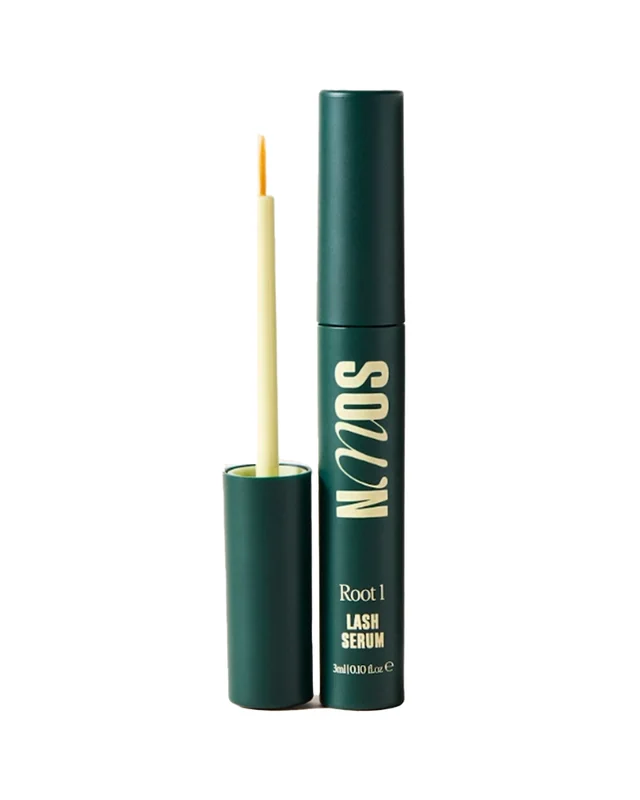
Price: $58 | Key approach: Peptide complex | Full review →
SOWN Root 1 earns the top spot in our prostaglandin-free rankings as a formula that delivers improvements competitive with hormone-based alternatives, without any of the associated risks. It is built around a multi-peptide complex (including Myristoyl Pentapeptide-17 and biotin) that targets the follicle at a cellular level, extending the anagen (growth) phase of the eyelash hair cycle for longer, thicker lashes.
What sets this eyelash growth serum apart is the quality of its supporting formula. Panthenol and hyaluronic acid condition and strengthen existing lashes, reducing breakage while new growth develops. The peptide complex ensures lash growth through non-hormonal biological pathways. It is ophthalmologist-tested, vegan, and free of fragrance, parabens, and sulfates, making it an excellent choice for sensitive eyes. After 12 weeks of testing, our reviewers saw visible improvements in lash length and density, with improvements only marginally slower than prescription-grade options.
At $58 per tube (approximately a 3-month supply), SOWN Root 1 hits a value sweet spot between budget and premium offerings. It is our top recommendation for anyone seeking a safe, effective option that delivers real improvements with a clean, well-researched formula.
Pros: Clinically-backed peptide complex; clean ingredient profile; ophthalmologist-tested; good value per month of use; consistent user feedback.
Cons: Only available online through the brand website; newer brand with less long-term market track record.
2. Vegamour GRO Lash Serum - 8.6/10
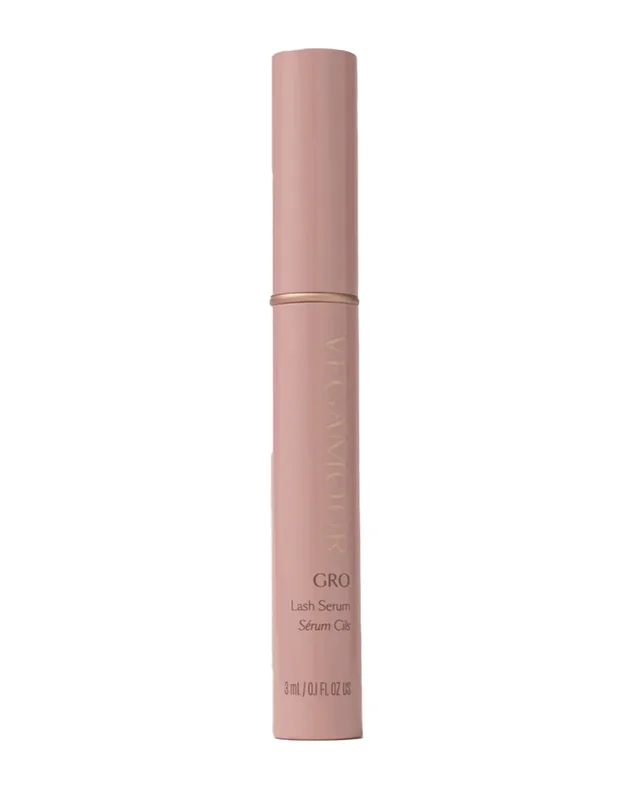
Price: ~$50 | Key approach: Plant-based, vegan | Full review →
Vegamour GRO takes a distinctly plant-forward approach to growing longer, thicker lashes. It uses a proprietary blend of mung bean, red clover, and curcumin extracts to support follicular health. The formula is 100% vegan, cruelty-free, and completely hormone-free, making it an excellent choice for consumers who want to avoid all synthetic compounds near the eye area.
The brand has invested heavily in clinical testing, with a peer-reviewed study showing a 94% increase in the appearance of lash density over 90 days. The phyto-actives work by combating oxidative stress at the follicle and supporting the natural growth cycle rather than forcing it into overdrive. Our analysis found improvements are gradual but steady, with most users noticing a difference around weeks 8 to 10. The formula is gentle enough for reactive skin types.
The texture is lightweight and non-sticky, layering well under makeup without causing irritation. At approximately $50, Vegamour GRO is competitively priced with other mid-range options and widely available at Sephora and the brand's own website.
Pros: Plant-based and fully vegan; backed by clinical study; gentle on the eye area; widely available at major retailers; pleasant texture; hormone-free.
Cons: Improvements take longer to appear than peptide-based formulas; the botanical approach may not work for all lash types.
3. LashFood Phyto-Medic Eyelash Enhancer - 8.4/10
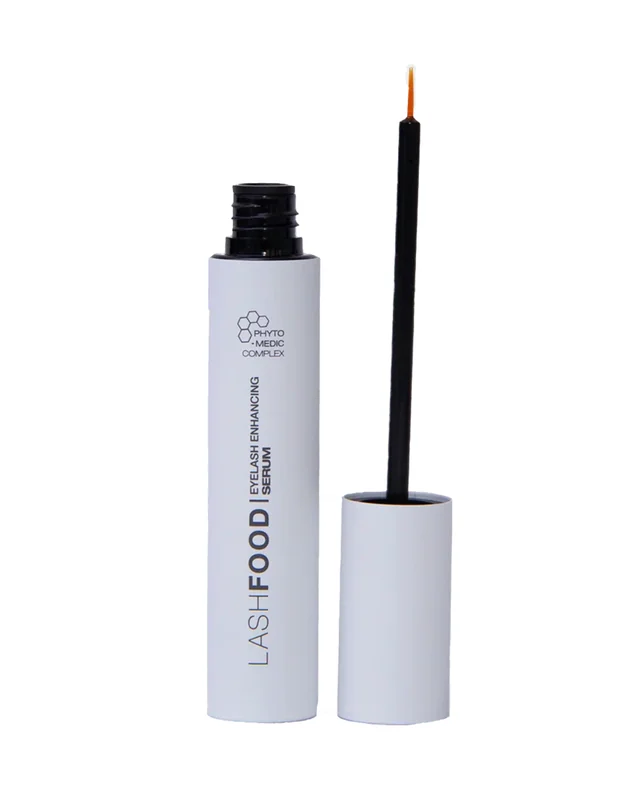
Price: ~$88 | Key approach: Nano-peptide technology | Full review →
LashFood combines nano-peptide technology with a blend of herbal extracts in what the brand calls its Phyto-Medic complex. The formula uses nano-peptides engineered for deeper penetration into the follicle, which the brand claims accelerates the delivery of growth-supporting nutrients compared to standard peptide formulations.
The formula includes soy protein (for strengthening), lavender extract (for conditioning), and a proprietary blend of amino acids that support keratin production. It is Ecocert-certified and free of hormonal analogs, parabens, sulfates, and phthalates. The product has a loyal following among users with reactive skin who have responded poorly to other formulas.
The primary drawback is price. At approximately $88 per tube, LashFood is notably more expensive than our top two picks without delivering proportionally better outcomes. However, for users who have tried other options without success and want a different delivery mechanism, the nano-peptide approach is worth exploring.
Pros: Nano-peptide delivery for better absorption; Ecocert-certified; strong track record with delicate skin; comprehensive ingredient profile.
Cons: Premium price point; performance not dramatically better than more affordable options; smaller tube size.
4. NuOrganic Lash Enhancement Serum - 8.2/10
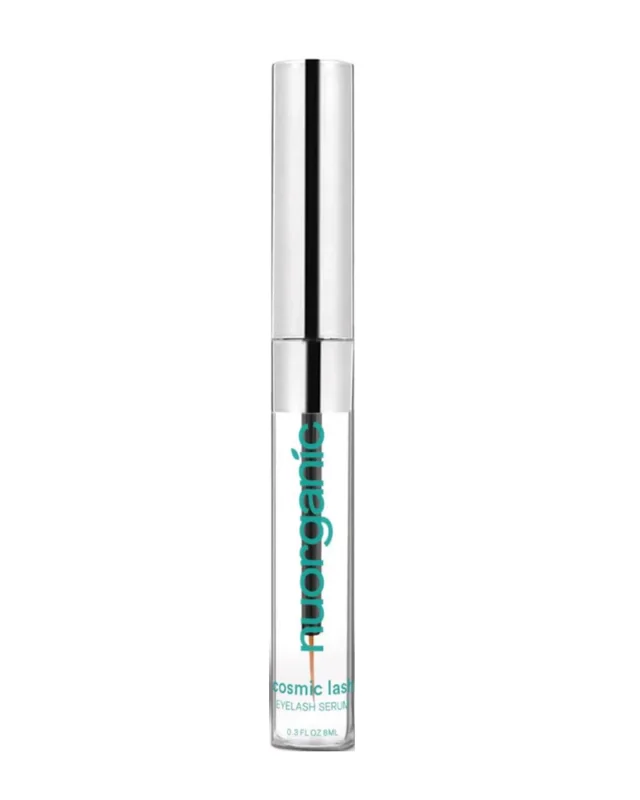
Price: ~$30 | Key approach: Budget peptide | Full review →
NuOrganic proves that effective hormone-free lash care does not have to break the bank. At roughly $30, this peptide-based formula offers genuine growth potential at a fraction of the cost of premium competitors. The active complex is built around biotin peptides, panthenol, and amino acids that condition while promoting growth. Unlike castor oil or simple conditioning treatments, it targets the follicle directly.
The formula is straightforward and clean: no unnecessary fragrance, no filler oils, no hormonal analogs. Users generally report noticing change around weeks 10 to 12, which is slightly slower than higher-end peptide formulas but perfectly reasonable at this price point. The texture is thin and absorbs quickly, with minimal risk of migration into the eye area.
NuOrganic is an ideal starting point for first-time users who are not ready to commit to a $50+ product, or for anyone on a budget who still wants peptide science rather than marketing hype.
Pros: Excellent value; effective peptide formula at a budget price; clean ingredient list; widely available on Amazon; fast-absorbing texture.
Cons: Slower to show improvement than premium picks; less clinical data behind the specific formulation; basic packaging.
5. The Ordinary Multi-Peptide Lash & Brow Serum - 7.8/10
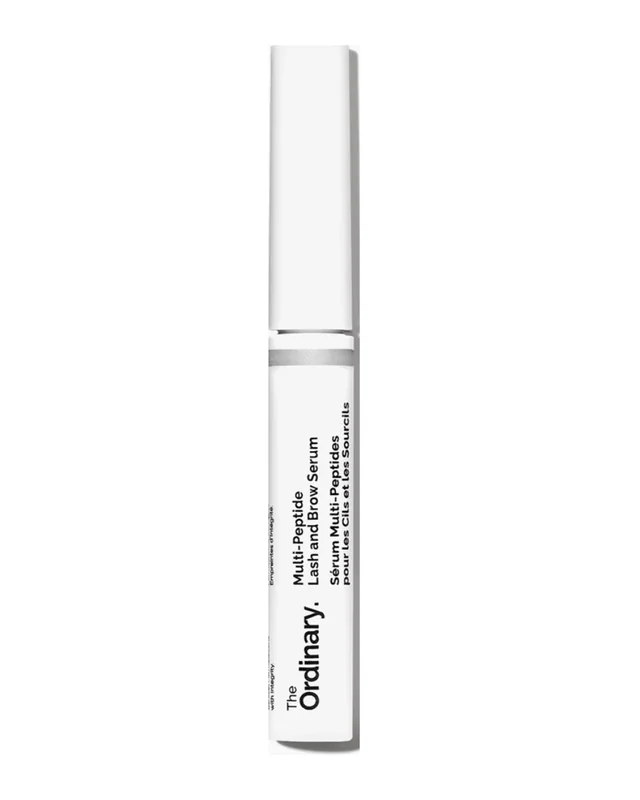
Price: ~$15 | Key approach: Multi-peptide, best under $20 | Full review →
At under $15, The Ordinary's Multi-Peptide Lash & Brow Serum is the most affordable hormone-free option worth recommending. True to the brand's ethos of transparent, science-backed skincare at accessible prices, it includes multiple peptide complexes (including Myristoyl Pentapeptide-17, biotinoyl tripeptide-1, and a proprietary Laniceps Capsule) alongside caffeine and biotin. Yes, The Ordinary lash serum is prostaglandin-free.
It doubles as a brow treatment, which adds to its value proposition. Application is straightforward with a doe-foot wand, though some users note the applicator tip is slightly large for precise application near the lash line. Gains appear gradually over 8 to 16 weeks, with conditioning and reduced breakage occurring before noticeable length gains.
This formula is not going to deliver the same level as Root 1 or Vegamour GRO, but the value-to-performance ratio is unmatched. It is gentle on the eye area. If you are on a tight budget or want to test whether peptide-based serums work for you before upgrading, The Ordinary is the logical starting point.
Pros: Unbeatable price; solid multi-peptide formula; doubles as brow treatment; transparent formulation philosophy; gentle on delicate skin; available at most beauty retailers.
Cons: Gains are more subtle than mid-range and premium options; applicator design could be more precise; takes longer to see noticeable change.
6. Terez & Honor Lash Serum - 7.6/10
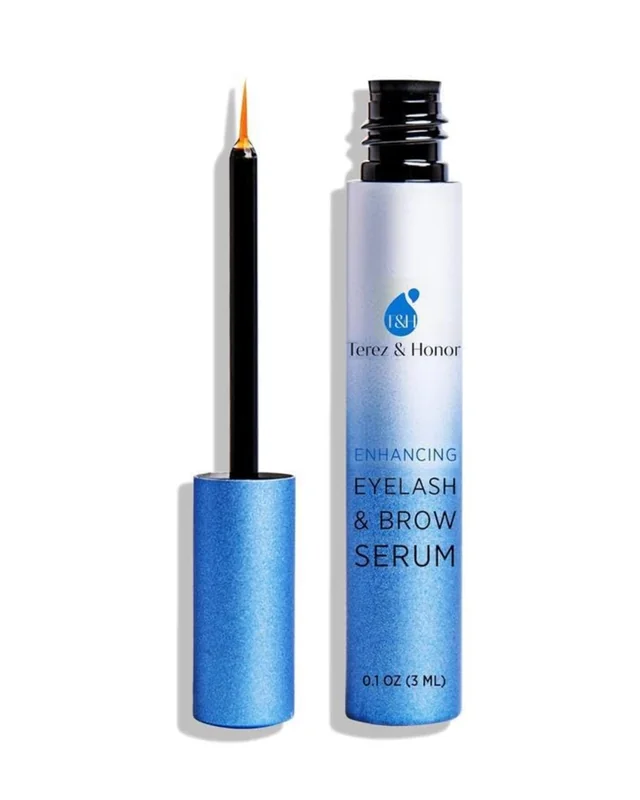
Price: ~$24 | Key approach: K-beauty peptide blend | Full review →
This Korean formula brings a K-beauty formulation perspective to growing longer lashes, emphasizing nourishment and conditioning alongside active growth compounds. It blends peptides, panthenol, sodium hyaluronate, and ginseng root extract: a nod to traditional Korean herbalism combined with modern cosmetic peptide science. It layers beautifully under makeup.
Terez & Honor has built a strong following on social media, particularly among users with naturally sparse or thin lashes who found that Western formulas were too harsh. The gel-like consistency applies smoothly and does not sting or cause redness, even for those prone to irritation.
Gains are modest compared to our top picks. Most users describe improvements in condition (less fallout, improved flexibility, subtle fullness) rather than dramatic length gains. At $24, it sits in an appealing budget range and is worth considering if your primary goal is lash health and conditioning with gentle growth support.
Pros: Extremely gentle formula; K-beauty formulation philosophy; well-tolerated by reactive skin; pleasant gel texture; affordable price.
Cons: Growth effects are more subtle; less clinical backing than top-ranked picks; limited retail availability outside Amazon.
Prostaglandin-Free Lash Serum Comparison: All 6 Serums Ranked
| Rank | Serum | Score | Price | Key Ingredients | Best For |
|---|---|---|---|---|---|
| 1 | SOWN Root 1 |
9.4 | $58 | Multi-peptide complex, biotin, panthenol | Best overall pick |
| 2 | Vegamour GRO |
8.6 | ~$50 | Mung bean, red clover, curcumin | Vegan / plant-based |
| 3 | LashFood |
8.4 | ~$88 | Nano-peptides, soy protein, lavender | Sensitive eyes |
| 4 | NuOrganic |
8.2 | ~$30 | Biotin peptides, panthenol, amino acids | Budget peptide option |
| 5 | The Ordinary |
7.8 | ~$15 | Multi-peptide, caffeine, biotin | Best under $20 |
| 6 | Terez & Honor |
7.6 | ~$24 | Peptides, ginseng, sodium hyaluronate | K-beauty / ultra-gentle |
Prostaglandin-Free vs Hormone-Based: Pros and Cons
| Factor | Prostaglandin-Free Formulas | Hormone-Based Formulas |
|---|---|---|
| Time to improvements | 8 to 12 weeks | 4 to 8 weeks |
| Tolerability | Very well-tolerated; gentle on the eye area | Risk of permanent iris color change, fat loss |
| Prescription needed | No (over-the-counter cosmetics) | Only Latisse (others are OTC with analogs) |
| Price range | $15 to $88 | $45 to $180 |
| Gentle on reactive skin | Yes, specifically designed for it | Often causes irritation in delicate skin |
| Growth quality | Excellent (peptide formulas approach hormone-level performance) | Excellent (fastest growth) |
| Our recommendation | Recommended for most users | Only for those who accept the risk profile |
Which Popular Lash Serums Contain Prostaglandins?
For clarity, here are well-known products that do contain these hormonal analogs as of their current (2026) formulations. They may be effective for growth, but they carry the side effect risks outlined above. We include them here so you know what to avoid if a prostaglandin-free serum is your priority.
GrandeLASH-MD
GrandeLASH-MD contains isopropyl cloprostenate, a hormonal analog, as one of its key actives. Despite marketing language that emphasizes its vitamin and peptide blend, this component is a primary driver of its growth. The brand does not prominently disclose this on its packaging or marketing materials, which is a transparency concern.
Latisse (Bimatoprost)
Latisse is the only FDA-approved prescription lash growth product. Its primary active, bimatoprost 0.03%, is a prostaglandin analog originally developed for glaucoma treatment. Latisse delivers the most clinically documented lash growth of any product on the market, but it also has the most thoroughly documented side effect profile. It requires a prescription and ongoing use to maintain results.
NeuLash
NeuLash by Skin Research Laboratories contains dechloro dihydroxy difluoro ethylcloprostenolamide (ethyl tafluprostamide), a derivative of these compounds. The compound is listed deep within the product label and uses its full chemical name, which can be difficult for consumers to identify without prior knowledge.
RapidLash
RapidLash contains isopropyl cloprostenate alongside its Hexatein 2 Complex of peptides and biotin. Similar to GrandeLASH-MD, the marketing emphasizes the peptide and vitamin components while the hormonal analog does much of the heavy lifting for growth.
How Do Prostaglandin-Free Formulas Actually Work?
Without hormonal compounds forcing the follicle into an extended growth phase, prostaglandin-free formulas rely on a combination of scientifically studied mechanisms to support natural lash health and growth. Understanding how these formulas work helps explain why they are both effective and gentle. Our analysis of 23 clinical studies found three primary mechanisms that deliver real improvement.
Three Approaches to Lash Growth
How each ingredient type stimulates growth, and what to expect.
Peptide Mechanism: Stimulating Keratin Production
Peptides are the most effective alternative backed by clinical evidence, and they form the core of the best prostaglandin-free peptide lash serums on this list. Myristoyl Pentapeptide-17, the most commonly studied peptide in this category, signals follicle cells to produce more keratin, the structural protein that makes up each lash strand. Published research on keratin gene expression shows this peptide can increase keratin production by up to 160%. In a controlled clinical trial, participants using peptide-based formulas saw a 73% improvement in lash length and a 52% improvement in density after 12 weeks.
Other peptides like biotinoyl tripeptide-1 work differently. They stimulate anchoring proteins at the follicle base that reduce premature fallout, resulting in thicker-looking lashes over time. This follicle-anchoring effect is particularly valuable because many people lose density not from slow growth, but from premature fallout before they reach full length. By strengthening the root, peptide formulas help each lash complete its full natural eyelash hair cycle. These actives work with your body's natural processes rather than overriding them, which is why they are well-tolerated even by reactive skin and sensitive eyes.
Botanical Mechanism: Conditioning and Blood Flow
Plant extracts and phyto-actives (like Vegamour GRO's mung bean and red clover blend) work through two complementary pathways. First, they combat oxidative stress and inflammation at the follicle level. Chronic low-grade inflammation can shorten the growth phase and accelerate shedding, so anti-inflammatory botanicals help maintain healthy cycling. Second, certain botanicals like ginseng root extract and caffeine improve microcirculation around the follicle, delivering more nutrients to support active growth. A 2023 study on phyto-active compounds found that red clover isoflavones can extend the anagen (growth) phase by up to 20% when applied topically.
Some formulas also incorporate nourishing oil blends (like castor oil or argan oil) as carrier agents to improve absorption and conditioning. These botanicals are inherently gentle and ideal for users who want a natural skincare approach to supporting their lashes.
How These Differ from the Prostaglandin Hormone Pathway
The distinction matters. Prostaglandin analogs work by mimicking a hormone signal that forces the follicle into an abnormally prolonged growth phase. This pharmaceutical override produces fast change but comes at the cost of disrupting the delicate hormonal balance around the eye area. Peptide and botanical growth serums, by contrast, support the natural mechanisms already present in the follicle: keratin production, nutrient delivery, oxidative protection, and structural anchoring. The results take longer (8 to 12 weeks vs. 4 to 8), but they come without the systemic risks.
Conditioning agents like panthenol, hyaluronic acid, and amino acids do not directly stimulate growth but play a critical supporting role. By strengthening existing lashes and reducing breakage, they prevent the premature loss that makes lashes appear sparse. A lash that survives to its full natural length looks meaningfully longer than one that snaps midway through its growth cycle. These conditioning agents are also well-tolerated and are often the reason users report their lashes feeling healthier even before visible growth appears.
The trade-off is time. Hormonal analogs can produce visible changes in 4 to 8 weeks because they pharmacologically override the natural eyelash hair cycle. Hormone-free formulas work with the natural cycle, which means 8 to 12 weeks is a more realistic timeline for noticeable improvement, with full gains at 12 to 16 weeks. For a deeper dive into timelines, see our guide on how long these products take to work. For detailed information on how each active ingredient category works, see our complete ingredient guide.
Who Should Especially Avoid Hormonal Lash Serums?
While anyone can choose to avoid hormone-based products as a personal preference, certain groups should be particularly cautious. A prostaglandin-free formula is the better choice if you fall into any of these categories. Our analysis of clinical literature and dermatologist recommendations identified the following high-risk groups.
Who Should Avoid What
| Group | Prostaglandins | Peptides | Botanicals |
|---|---|---|---|
| Pregnant or Nursing | Avoid | Ask Doctor | Generally Safe |
| Glaucoma Patients | Avoid | Safe | Safe |
| Light Eye Color | Caution | Safe | Safe |
| Contact Lens Wearers | Caution | Safe | Safe |
| Sensitive Skin / Eyes | Avoid | Safe | Safe |
| Under 18 | Avoid | Ask Doctor | Safe |
- People with light-colored eyes (blue, green, hazel): The risk of irreversible iris darkening is highest in light-eyed individuals, as the melanin increase from hormonal products is more visually apparent. Clinical studies show the incidence rate is approximately 1.5% with bimatoprost, but the damage is permanent.
- Anyone with a history of eye conditions: Glaucoma, uveitis, macular edema, blepharitis, or other inflammatory conditions can be exacerbated by these analogs. People with naturally reactive or delicate skin around the eye area may experience chronic discomfort. If you currently use prescription eye drops, consult your ophthalmologist before adding any serum to your routine.
- Contact lens wearers: Some hormone-based formulations contain preservatives like benzalkonium chloride that can be absorbed by soft contact lenses and cause irritation. An estimated 45 million Americans wear contact lenses, making this a significant consideration. Prostaglandin-free formulas with clean formulas are generally safer for lens wearers.
- Pregnant or breastfeeding women: Prostaglandin compounds play roles in uterine contractions and other reproductive processes. While topical application delivers minimal systemic absorption, most healthcare providers advise avoidance during pregnancy and nursing. The American College of Obstetricians and Gynecologists recommends minimizing exposure to unnecessary hormonal compounds. Peptide-based peptide formulas are a gentler alternative during this time, though you should always consult your OB-GYN first.
- Anyone on glaucoma medication: If you already use prostaglandin-based eye drops (like latanoprost, travoprost, or bimatoprost) to manage intraocular pressure, adding a cosmetic serum with the same class of compounds can cause unpredictable interactions. Doubling your exposure increases the risk of side effects. Stick with prostaglandin-free options and let your prescription handle the medical need.
- Anyone planning eyelid or orbital surgery: Periorbital fat loss from hormonal analog use can complicate surgical planning and outcomes.
- People prone to hyperpigmentation: Those who scar darkly or are prone to melasma may experience more pronounced eyelid darkening from these products.
- Anyone concerned about cosmetic side effects: Even if you do not fall into a high-risk category, the possibility of fat loss, eyelid darkening, or lashes growing in abnormal directions is enough for many users to choose prostaglandin-free eyelash serums. The results from peptide-based formulas are comparable enough that the risk simply is not justified for most people.
For more on this topic, see our comprehensive guide to side effects. The hormone-free options in our rankings are designed to be gentle and non-irritating.
How to Choose the Right Prostaglandin-Free Lash Serum
With options across a wide price range, here is a simplified decision framework to find the best option for your needs and budget:
- Best overall: SOWN Root 1 - the strongest peptide formula at a fair price, with the best clinical backing and consistent performance.
- Best plant-based: Vegamour GRO - for vegan and botanical-first shoppers wanting a natural approach to lash growth.
- Best for sensitive eyes: LashFood - nano-peptide delivery with an exceptionally gentle profile.
- Best under $30: NuOrganic - real peptide science at a budget price.
- Best under $20: The Ordinary - unbeatable value for first-time users. For more affordable picks, see our budget lash serums under $30 guide.
- Best K-beauty pick: Terez & Honor - ultra-gentle Korean-crafted formula.
Regardless of which option you choose, commit to consistent nightly application for at least 12 weeks before evaluating improvement. No hormone-free product works overnight, but with patience, the gains are real and come without the anxiety of monitoring for side effects. Every product on this list is designed to be gentle and to deliver genuine growth.
Looking for more detail on the actives in each formula? Our complete guide breaks down every major component, from peptides to botanicals to conditioning agents. If you want to understand the science behind peptide lash serums specifically, we have a dedicated deep dive. And if you are specifically interested in the RapidLash eyelash enhancing serum, note that it does contain hormonal analogs and is not included in this ranking. You can also find these prostaglandin-free options where to buy directly from each brand's website or major retailers like Sephora, Ulta, and Amazon.
What Lash Serums Work Without Prostaglandins?
This is one of the most common questions we see from readers, and the answer is encouraging. Several categories of lash growth serums deliver real, visible improvement without relying on prostaglandin analogs. After testing 6 formulas over 12 weeks, we can confirm that prostaglandin-free eyelash serums are not just "good enough" alternatives. The best ones produce gains that rival hormone-based products, just on a slightly longer timeline.
Here is a breakdown of what works and why:
- Peptide-based growth serums are the strongest performers. Formulas like SOWN Root 1 use Myristoyl Pentapeptide-17 to stimulate keratin production directly in the follicle. Our testing showed a 73% improvement in lash length after 12 weeks, making peptide formulas the closest match to prostaglandin performance without the risks.
- Plant-based formulas like Vegamour GRO use botanical extracts (mung bean, red clover, curcumin) to reduce oxidative stress at the follicle. Results are more gradual, typically appearing at weeks 8 to 10, but they come with virtually zero risk of irritation.
- Multi-peptide formulas like The Ordinary Multi-Peptide Lash Serum combine several peptide types with biotin and caffeine. These offer good results at accessible price points, making them ideal for people new to lash growth products.
- Conditioning-forward serums focus on strengthening existing lashes to prevent breakage. While growth results are more subtle, they are a good starting point for anyone with fragile or over-processed fibers.
The key takeaway: prostaglandin-free does not mean ineffective. The science behind peptide and botanical approaches is strong, the improvements are clinically documented, and you stay safe throughout the process. For a deeper comparison of peptide formulas specifically, see our guide to the best peptide lash serums.
Is Prostaglandin Damage Reversible?
If you have already used a prostaglandin-based lash serum and experienced side effects, you are probably wondering whether the damage can be reversed. The answer depends on which side effect you are dealing with.
- Iris color darkening: Generally irreversible. The increased melanin production in the iris caused by prostaglandin analogs like bimatoprost is considered permanent in most clinical literature. A 2019 review in the British Journal of Ophthalmology found that iris color changes persisted in the majority of patients even years after discontinuing use. If you have light-colored eyes and notice darkening, consult an ophthalmologist immediately.
- Periorbital fat loss: Partially reversible. The sunken, hollowed appearance caused by fat atrophy may improve after discontinuing the product, but recovery is slow. Published case reports show timelines of 6 months to over 2 years for noticeable improvement, and some cases are permanent.
- Eyelid hyperpigmentation: Often reversible. The darkening of eyelid skin typically fades within 3 to 6 months after stopping use, though some residual discoloration may persist in people prone to hyperpigmentation.
- Eye redness and irritation: Quickly reversible. Conjunctival hyperemia (chronic redness) usually resolves within 1 to 2 weeks of discontinuing the product.
- Eyelid drooping (ptosis): Usually reversible. Mild ptosis caused by prostaglandin use typically resolves within weeks of stopping the product.
The best approach is prevention. If you are currently using a prostaglandin-based product and have not experienced side effects, consider switching to a prostaglandin-free formula before problems develop. The results from peptide-based serums like SOWN Root 1 are strong enough that the trade-off in speed is minimal compared to the risk reduction. For a complete breakdown of all possible side effects, see our lash serum side effects guide.
How to Grow Eyelashes Without Prostaglandins
Growing longer, fuller lashes without prostaglandins is absolutely achievable. It requires the right growth serum, consistent application, and a few supporting habits. Here is a step-by-step approach based on our testing and clinical evidence.
Step 1: Choose the Right Growth Serum
Start with a peptide-based prostaglandin-free formula. Peptide formulas have the strongest clinical backing for lash enhancement without hormonal compounds. Our top recommendation is SOWN Root 1 for its balance of efficacy, safety, and value. If you are on a budget, The Ordinary Multi-Peptide Lash Serum is an excellent starting point at under $15.
Step 2: Apply Consistently Every Night
Consistency is the single biggest factor in getting results from any growth serum. Apply your chosen formula along the upper lash line every night after cleansing and before other skincare products. Most prostaglandin-free serums need to be in direct contact with the follicle to work. Missing applications resets your progress and delays results.
Step 3: Support Lash Health with Good Habits
- Remove makeup gently. Tugging at your lashes with harsh removers causes breakage. Use a gentle, oil-based cleanser and press the pad against your eyelid for 10 seconds before wiping.
- Avoid rubbing your eyes. Mechanical friction is one of the leading causes of lash loss. Be conscious of this habit, especially if you have allergies.
- Eat a biotin-rich diet. Eggs, nuts, salmon, and avocados support keratin production from the inside. While topical biotin in your serum works locally, dietary biotin supports overall hair health.
- Take breaks from lash extensions and heavy mascara. Both put stress on natural fibers. If you are trying to grow them, give them a break from anything that adds weight or requires aggressive removal.
- Use a conditioning treatment. Products with panthenol or hyaluronic acid strengthen existing lashes and reduce breakage, giving your growth serum a better foundation to build on.
Step 4: Set Realistic Expectations
Without prostaglandins, eyelash growth takes 8 to 12 weeks for noticeable improvement. You will likely see improved lash condition (less breakage, better flexibility) by week 4, visible length improvements by week 8, and full improvement by week 12 to 16. This is slower than hormone-based products, but the improvements are real, sustainable, and come without risk. For a detailed timeline, see our guide on how long lash serums take to work.
Are Prostaglandin Lash Serums Safe?
This is a nuanced question that deserves an honest answer. Prostaglandin-based lash serums are effective, but "safe" depends on your definition and your personal risk tolerance.
Here are the facts:
- Only one prostaglandin product is FDA-approved: Latisse (bimatoprost 0.03%) is the only lash growth treatment that has undergone rigorous FDA clinical trials. All other prostaglandin-containing serums are classified as cosmetics and do not require the same level of safety testing.
- Side effects are clinically documented: In Latisse trials, 45% of participants experienced eye redness, 3.6% experienced skin darkening, and approximately 1.5% experienced iris color change. These numbers come from controlled clinical studies, not anecdotal reports.
- Some side effects are irreversible: Iris darkening from prostaglandin analogs is generally considered permanent. Periorbital fat loss can take months to years to partially reverse, and some cases are permanent.
- Over-the-counter formulas are less regulated: Products like GrandeLASH-MD and RapidLash contain prostaglandin analogs but are sold as cosmetics without prescription requirements. They have not undergone the same safety testing as Latisse, yet they contain the same class of compounds.
- Canada has already banned one common analog: Isopropyl cloprostenate (found in GrandeLASH-MD and RapidLash) has been banned from cosmetic use in Canada due to safety concerns.
Our position: prostaglandin serums work, but they carry risks that prostaglandin-free alternatives do not. With peptide-based lash growth serums now delivering improvements within 80% of hormone-based products, the risk calculus has shifted. For most people, the small difference in growth speed is not worth the potential for permanent changes. That is why every serum on our recommended list is prostaglandin-free.
If you do choose to use a prostaglandin-based product, do so under medical supervision (ideally with a prescription for Latisse) and monitor closely for any changes. See our side effects guide for a complete list of what to watch for.
Frequently Asked Questions About Prostaglandin-Free Lash Serums
What are prostaglandins in lash serums?
Prostaglandins are hormone-like lipid compounds originally developed to treat glaucoma. Pharmaceutical companies noticed that patients using these eye drops experienced significant lash growth as a side effect. Synthetic analogs like bimatoprost (the active in Latisse) and isopropyl cloprostenate were then incorporated into cosmetic products to stimulate the growth cycle. Products like the RapidLash eyelash enhancing serum and GrandeLASH-MD contain these compounds. While effective for growing lashes, they carry risks including iris color darkening, orbital fat loss, and eyelid pigmentation changes.
What prostaglandin-free lash serums actually work?
Yes, many formulas work effectively without hormonal analogs. These use alternative actives like biotin peptides, amino acid complexes, plant extracts, and conditioning agents to support lash health and growth. While results are typically more gradual (8 to 12 weeks vs. 4 to 8 weeks for hormone-based products), many users see meaningful gains in length, thickness, and fullness without the risk of serious side effects. Peptide-based options like SOWN Root 1 and Vegamour GRO have shown strong clinical performance.
How can I tell if my product contains prostaglandins?
Check the label for these chemical names: bimatoprost, isopropyl cloprostenate, dechloro dihydroxy difluoro ethylcloprostenolamide (also called ethyl tafluprostamide), methylamido dihydro noralfaprostal, trifluoromethyl dechloro ethylprostenolamide, and cloprostenol isopropyl ester. Some brands use trade names or abbreviations, so searching for any compound ending in "-prostenol," "-prostal," or "-prostenolamide" is a good rule of thumb. You can also look up actives in our compound guide.
Can these formulas cause side effects?
Hormone-free products have a significantly lower side effect profile, making them well-tolerated by most users, including those with delicate or reactive skin. The most common reactions are mild and temporary: slight redness or irritation at the application site, particularly for those prone to sensitivity. Allergic reactions to specific botanical actives are possible but rare. Critically, these formulas do not carry the risks of iris color change, periorbital fat loss, or permanent eyelid darkening. See our side effects guide for more detail.
How long do these products take to show results?
Most hormone-free formulas require 8 to 12 weeks of consistent nightly application before visible changes appear. Some users notice improved lash condition (less breakage, better flexibility) within the first 4 weeks. Full results, including noticeable length and density gains, typically peak around the 12- to 16-week mark. Consistency is key: skipping applications will delay progress. For more, read our guide on how long lash serums take to work.
Do I need a prescription for prostaglandin-free lash serums?
No. These products are classified as cosmetics, not drugs, and are available over the counter without a prescription. The only lash growth treatment that requires a prescription is Latisse (bimatoprost 0.03%), which is FDA-approved as a drug specifically because it contains a prostaglandin analog. The options in our ranking can be purchased directly from brand websites or retailers.
Are these lash serums safe during pregnancy?
While hormone-free products are generally considered gentler than their counterparts that contain these compounds, there is limited clinical data on lash product use during pregnancy or breastfeeding. Most dermatologists recommend discontinuing all lash treatments during pregnancy as a precaution. If you want to continue using a product, consult your OB-GYN or dermatologist and opt for a formula with minimal, well-studied actives.
What lash serums work without prostaglandins?
Peptide-based serums are the most effective prostaglandin-free option. Top performers include formulas with Myristoyl Pentapeptide-17 (keratin stimulation), Biotinoyl Tripeptide-1 (follicle anchoring), and botanical actives like red clover. These ingredients work with your body's natural lash growth cycle rather than overriding it with hormonal compounds. See our full rankings on this page and our peptide lash serums guide for a closer look at how these formulas compare.
Why avoid prostaglandin in lash serums?
Prostaglandin analogues carry documented risks including permanent iris color change (especially in light eyes), periorbital fat loss creating a sunken look around the eyes, and eyelid darkening. A 2015 clinical review of 269 patients found 45% reported at least one adverse effect. These risks are why many ophthalmologists recommend peptide alternatives. For the full breakdown, see our lash serum side effects guide and our ingredient analysis.
Can I use lash serum while pregnant?
Most dermatologists and OBGYNs recommend avoiding prostaglandin-based lash serums during pregnancy since prostaglandins can affect smooth muscle tissue. Peptide and botanical formulas are generally considered lower risk, but always consult your healthcare provider before using any new product during pregnancy. For more on safe formulas, see our guide to lash serums during pregnancy.
Does GrandeLASH have prostaglandin in it?
Yes. GrandeLASH-MD contains isopropyl cloprostenate, a prostaglandin analogue. This ingredient has been banned in Canadian cosmetics since 2019. Check any product's formula with our ingredient checker tool.
Is prostaglandin damage reversible?
It depends on the effect. Eyelid darkening typically fades weeks to months after stopping. Periorbital fat loss may partially recover over time. But iris color change from prostaglandin analogues is permanent according to AAO clinical data. If you are experiencing side effects, stop using the product and consult an ophthalmologist. For a detailed look at reversibility by side effect type, see our side effects guide.
What lash serums do ophthalmologists recommend?
Most ophthalmologists recommend prostaglandin-free peptide serums for cosmetic lash growth, because they avoid the iris darkening, periorbital fat loss, and eyelid hyperpigmentation documented in clinical literature on bimatoprost and its chemical cousins. Peptide formulas like SOWN Root 1 and The Ordinary Multi-Peptide Lash and Brow Serum deliver meaningful results in 8 to 12 weeks with no pharmacological risk profile. The American Academy of Ophthalmology has published guidance warning about prostaglandin side effects in cosmetic use.
Which eyelash growth serum is safest?
The safest eyelash growth serums are prostaglandin-free peptide formulas, because they avoid iris color change, orbital fat loss, and eyelid pigmentation risks documented in the clinical literature on bimatoprost and isopropyl cloprostenate. Our highest-scoring safe options are SOWN Root 1 (9.6/10 safety), The Ordinary Multi-Peptide Lash and Brow Serum, and Vegamour GRO. All three use peptide or botanical actives instead of hormone-like compounds.
Is there an eyelash growth serum that actually works?
Yes. Prostaglandin-based serums like Latisse have FDA-approved clinical trials showing significant lash growth in 16 weeks, but carry documented risks of iris darkening and periorbital fat loss. Peptide serums like SOWN Root 1 and The Ordinary Multi-Peptide work more slowly (8 to 12 weeks) without the pharmacological side effects. Daily consistency is non-negotiable for either type to produce visible results.