The Short Answer
Microblading eyebrows is a semi-permanent cosmetic tattoo technique that creates fine, hair-like strokes with pigment. It is best for people who want more brow shape or density, but it is not a brow growth treatment and it is not as low-commitment as tinting, lamination, or pencil.
Key takeaways
- Microblading is a form of permanent makeup, even when studios call it semi-permanent.
- Oily skin, very sensitive skin, and frequent exfoliating skincare can change how strokes heal and fade.
- A touch-up is usually part of the plan, not proof the first appointment failed.
- Nano brows and powder brows may be better if you want softer fade, machine work, or a makeup-like finish.
- Delay or get medical guidance first if you have active skin irritation, keloid tendency, pregnancy or breastfeeding questions, or medication concerns that affect healing.
What Is Microblading Eyebrows?
Microblading is a cosmetic tattoo technique for the eyebrows. A trained artist uses a handheld tool with tiny needles to open shallow channels in the skin, then places pigment so each mark looks like a small brow hair. The goal is not to grow brows. The goal is to make the brow line look denser, more balanced, or more defined.
That distinction matters. If you already have brow hairs but they are pale, eyebrow tinting may be the simpler fix. If your hairs grow downward or sideways, brow lamination may do more for the shape. If you want to support healthier-looking brow hair over time, compare brow serums. Microblading makes the most sense when the missing piece is visual structure.
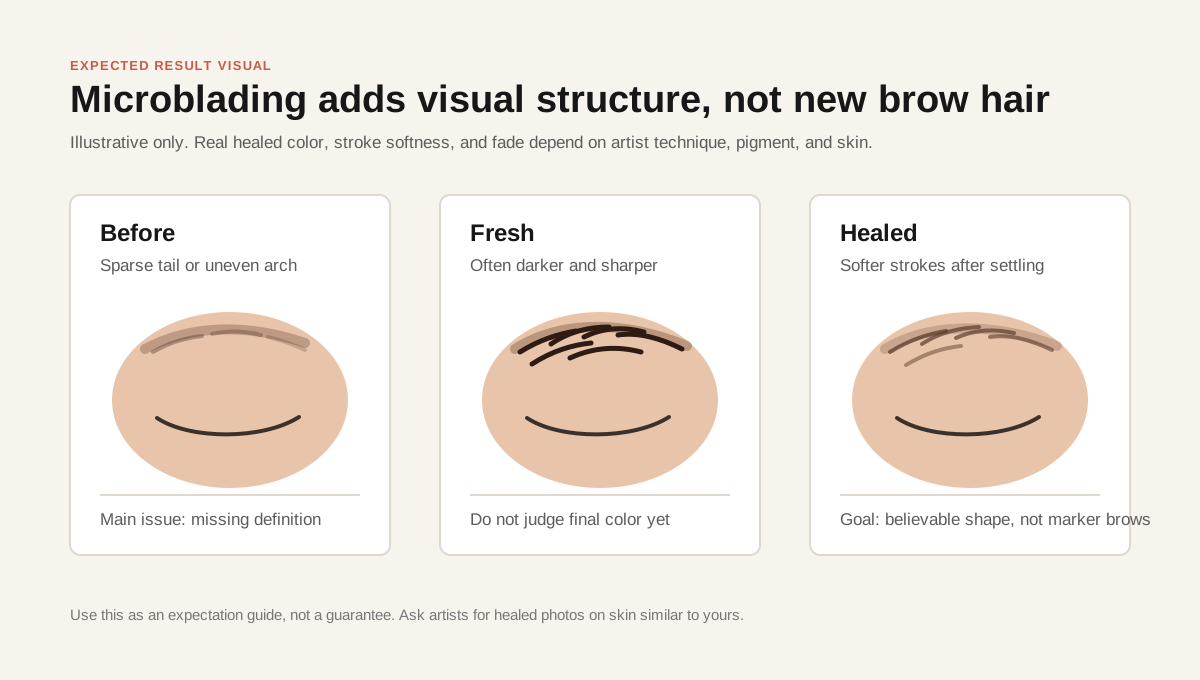
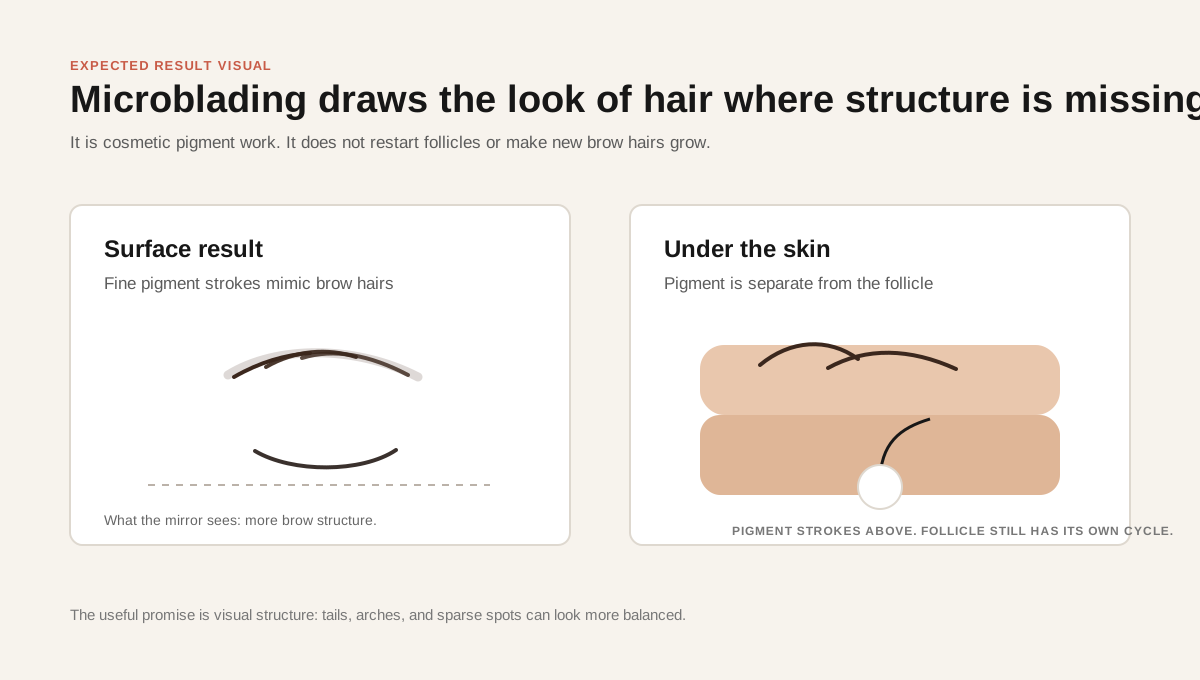
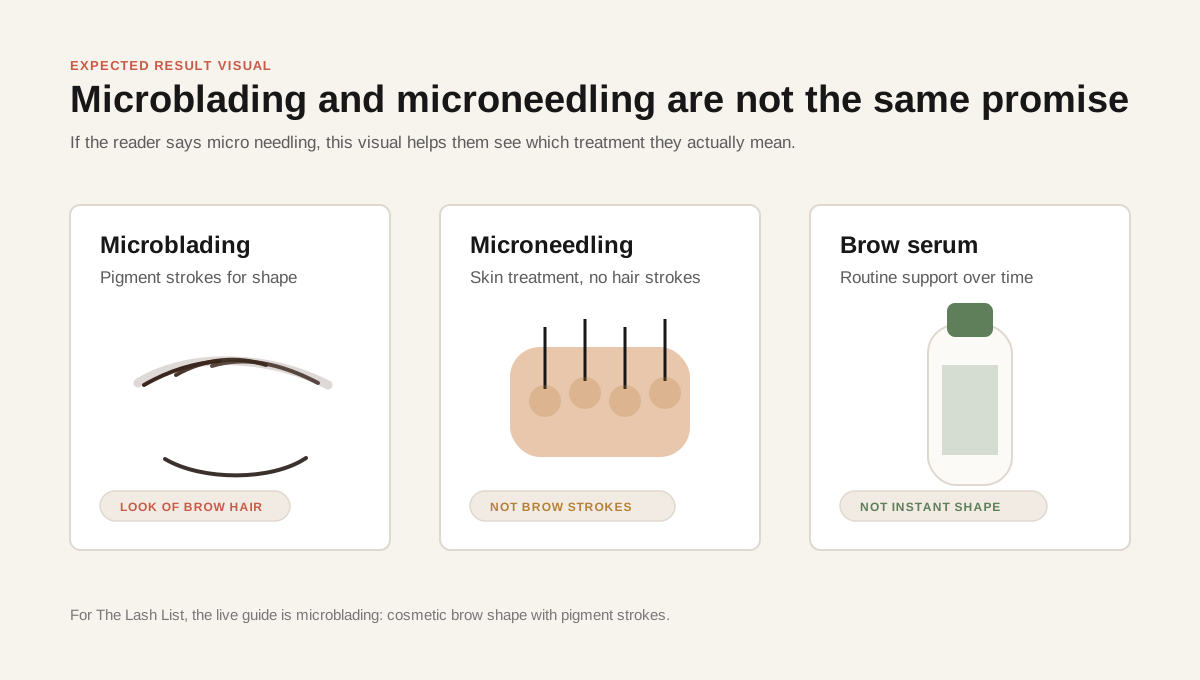
Microblading fills the look of hair, not the follicle
That is why the decision should be about shape, skin, artist skill, and commitment.
Fine marks can mimic missing brow hairs when they heal well.
The artist should design around your bone structure and existing hair.
Oily, reactive, or textured skin can change how crisp strokes heal.
It does not treat shedding, overplucking recovery, or medical brow loss.
Brow Procedure Fit Checker
Use this as a conversation starter before booking. It is not medical advice, but it can help you compare microblading, nano brows, powder brows, and non-tattoo options.
Best starting point: microblading or nano brows
You are describing sparse areas and a preference for hair-like strokes. Compare artist portfolios closely, then ask whether hand-tool microblading or machine nano brows is the better fit for your skin.
Brow Procedure Fit Checklist
Save a comparison of microblading, powder brows, lamination, tinting, and brow serum before booking a semi-permanent brow procedure.
Microblading vs Nano Brows, Powder Brows, Tinting, and Lamination
The right brow service depends on what is actually missing. Hair strokes, soft shading, color, direction, and growth support solve different problems.
| Option | Best for | Typical look | Commitment | What it does not do |
|---|---|---|---|---|
| Microblading | Sparse spots, tails, uneven arches | Fine hair-like strokes | Months to years with fading | Grow new hair or guarantee perfect fade |
| Nano brows | People who want strokes with machine work | Very fine pixelated or stroke effect | Months to years with touch-ups | Remove the need for artist skill |
| Powder brows | Makeup lovers, oily skin, soft density | Airbrushed or filled-in brow | Months to years with fading | Create individual hair texture |
| Tinting | Pale brow hairs that need color | Darker, fuller-looking natural brow | About 2 to 4 weeks | Fill hairless gaps for long |
| Lamination | Unruly brow direction | Lifted, brushed-up, fuller-looking hair | About 4 to 6 weeks | Add pigment strokes or new hair |
| Brow serum | Consistent support for brow hair routine | Gradual fuller-looking natural hair | Ongoing use | Create instant shape or tattooed definition |
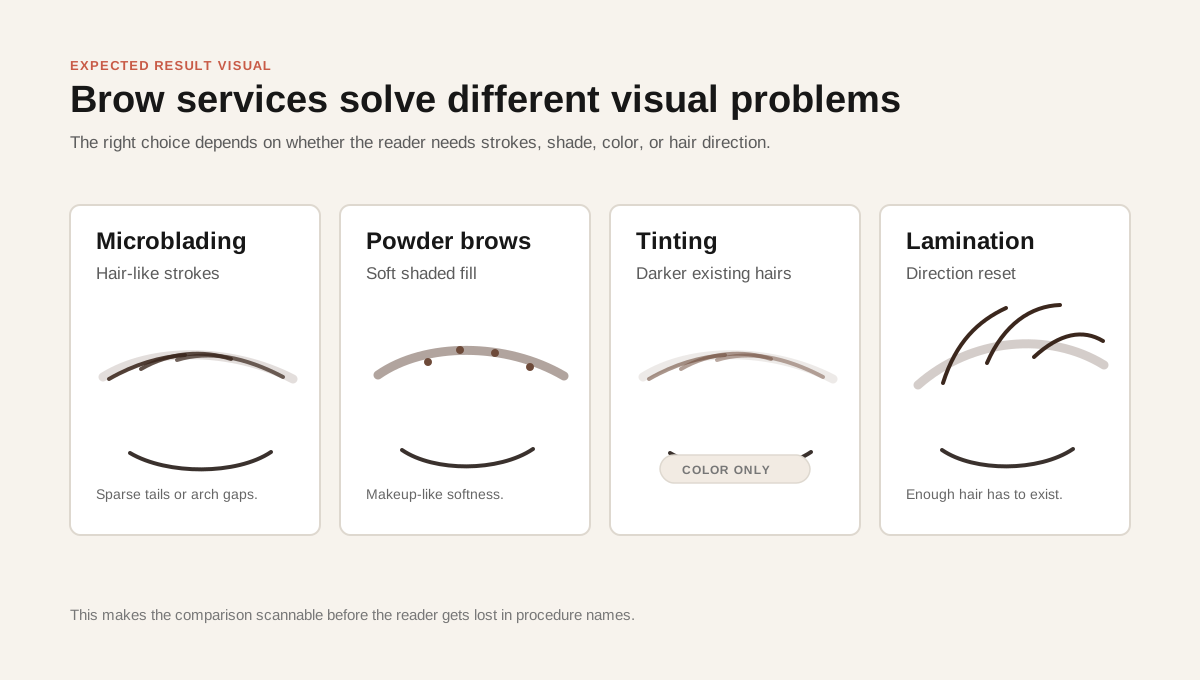
Pick the lane before picking the procedure
Most brow services fail when the service solves a different problem than the one the reader actually has.
- Pale or gray hairs
- Shape exists but disappears
- Short commitment
- Unruly or downward hairs
- Enough hair to style
- 4 to 6 week reset
- Sparse shape or missing tails
- Comfort with healing and fading
- Artist skill matters heavily
Microblading Healing Timeline
Move the slider to preview what usually happens after an appointment. Your artist's aftercare instructions come first because pigments, technique, and skin response vary.
day after
Bold, crisp, and darker than expected
Fresh pigment often looks strong at first. Mild swelling, tenderness, or redness can happen, but severe pain or spreading redness should be checked.
Brows look intense, crisp, and freshly drawn.
Do not pick, scrub, steam, sweat heavily, or put active skincare over the brows.
Pain, heat, pus, fever, or spreading redness appears.
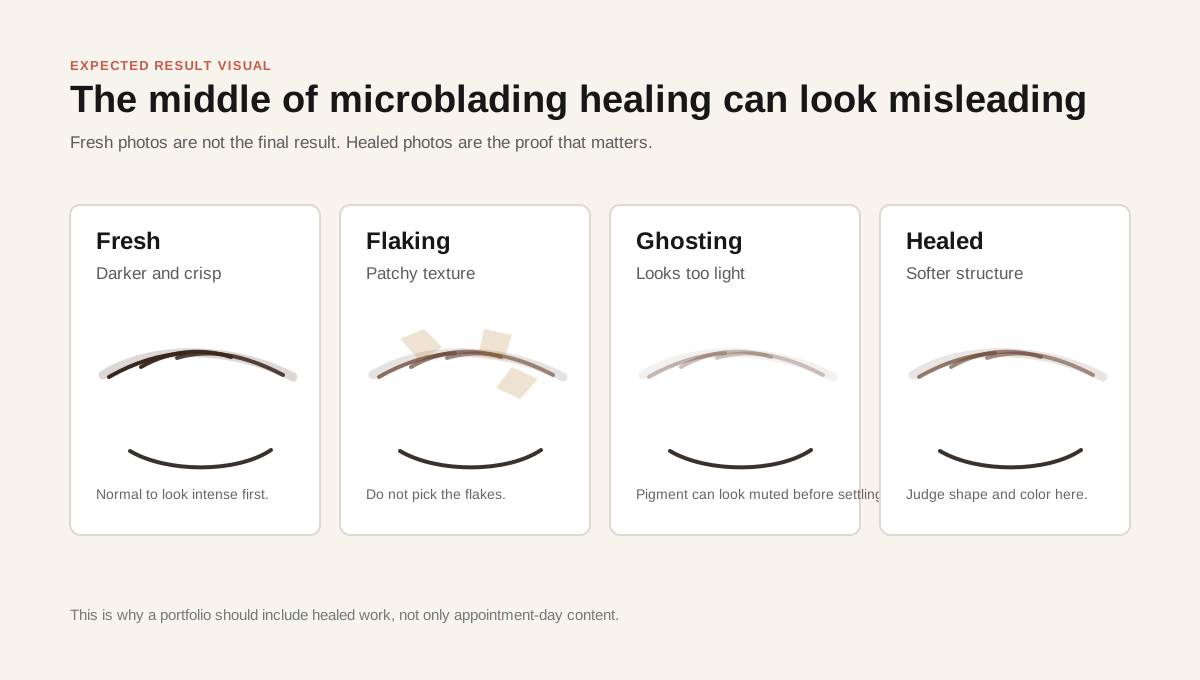
Why healed photos matter
Fresh appointment photos can overpromise because the brow usually gets bolder, flakes, softens, and then settles.
How Much Does Microblading Cost?
In many US markets, microblading costs about $400 to $900 for the first appointment. Highly booked artists in major cities can charge more, while low prices may leave less room for consultation, sanitation, quality pigment, or follow-up time. The first touch-up may be included, discounted, or billed separately, so ask before comparing studios.
Budget for the initial appointment, first touch-up, future color boosts, gentle aftercare, and possible correction if the shape or color heals poorly.
How Long Does Microblading Last?
Microblading often lasts about 12 to 24 months before it looks clearly faded, though some pigment can remain longer. Oily skin, sun exposure, exfoliating acids, retinoids, pigment choice, technique depth, and immune response all affect how fast the strokes soften.
If you want brows that can change with trends, keep the shape conservative. A slightly softer brow is easier to refresh than a dramatic brow you regret.
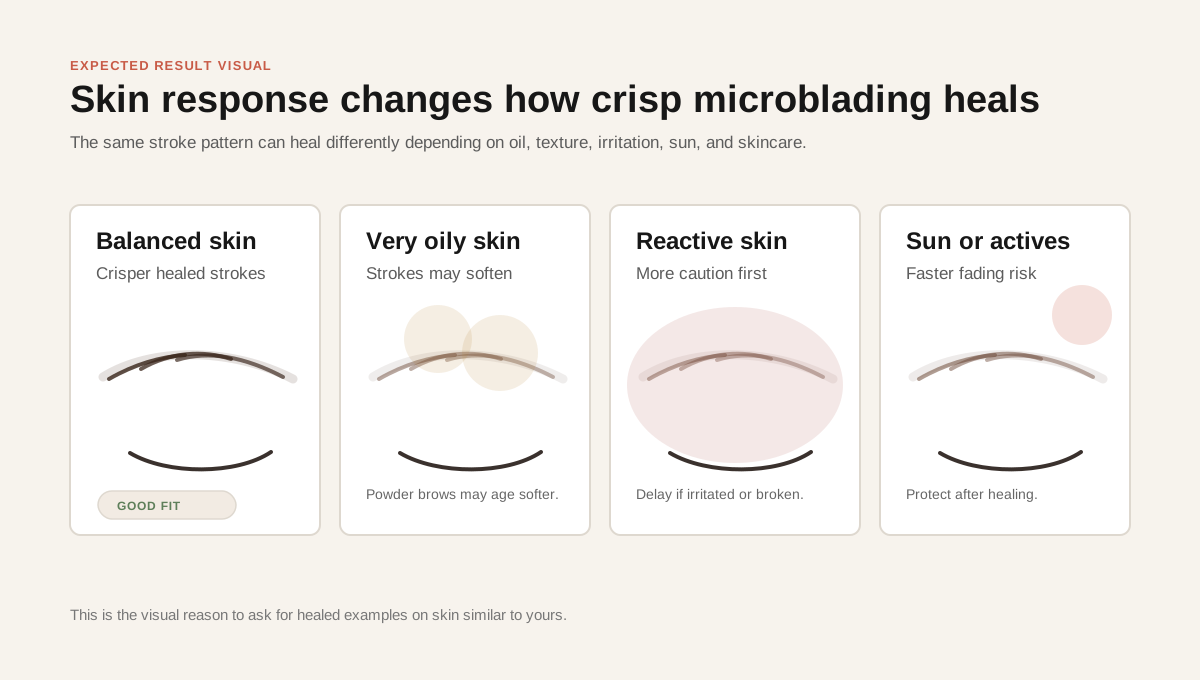
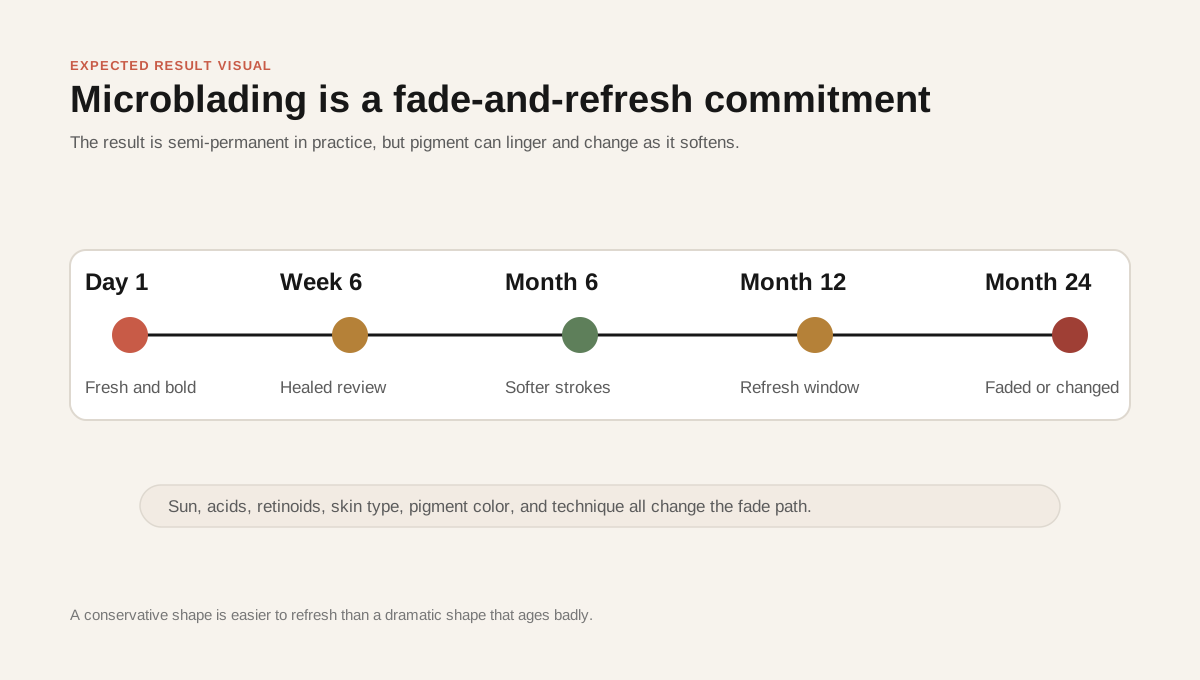
The cost is not just the first appointment
A realistic microblading decision includes healing time, touch-ups, fading, and possible correction.
The History of Microblading, From Tattooing to Modern Brow Mapping
Microblading feels like a social-media-era treatment, but it sits inside a much older history of cosmetic tattooing and permanent makeup.
Ancient roots: pigment in skin
Long before microblading had a name, many cultures used pigment in skin for identity, beauty, ritual, and status. Modern brow work is a beauty-specific branch of that much bigger tattoo history.
Booking Red Flags Before Microblading
A strong portfolio is helpful, but it is not enough. Use this checklist before you book a microblading artist near you.
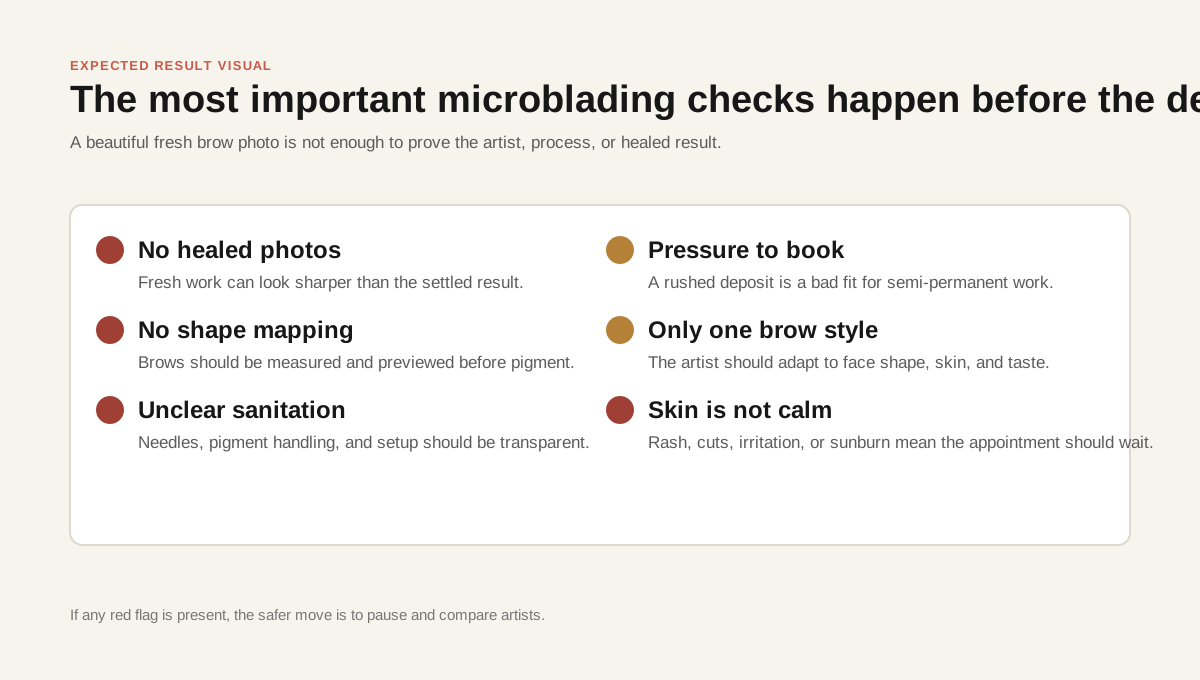
Microblading Red-Flag Checker
Check anything you notice. The result is intentionally conservative because this is your face and your skin barrier.
Who Should Skip or Delay Microblading?
Skip or delay microblading if the brow area has active irritation, rash, cuts, sunburn, infection, or recent aggressive skincare. Get medical guidance first if you have a keloid tendency, a condition that affects healing, medication questions, allergy concerns, or pregnancy and breastfeeding questions.
The FDA treats tattoo and permanent makeup safety as a real consumer issue, including allergic reactions, infections, granulomas, keloids, and removal difficulty. Microblading may be marketed as delicate, but it still puts pigment into skin.
Microblading Aftercare Basics
Follow your artist's exact aftercare. In general, the first days are about protecting the skin barrier: keep the area clean, avoid picking, avoid heavy sweating and steam, keep retinoids and exfoliating acids away from the brows, and avoid makeup over healing skin. Do not judge final color while the brows are scabbing, ghosting, or still settling.
Book the follow-up only after the brows have had enough time to heal. Touch-ups are for adjusting shape, density, and faded areas, not for rushing pigment into irritated skin.
Microblading may fit if...
- You want visible shape without daily pencil.
- You like a hair-stroke look.
- You are comfortable with fading, touch-ups, and aftercare.
- You found an artist with healed work you genuinely like.
Try something else first if...
- Your brows are simply light, not sparse.
- You want to change brow trends often.
- You have active skin issues near the brows.
- You are trying to fix sudden shedding or hair loss.
Microblading FAQ
What is microblading eyebrows?
Microblading is a cosmetic tattoo technique where pigment is placed in fine strokes that mimic eyebrow hair.
How long does microblading last?
Most people see meaningful fading within 12 to 24 months, but pigment can remain longer and may not disappear evenly.
How much does microblading cost?
Many US studios charge about $400 to $900 for the first session. Ask whether the first touch-up is included.
Does microblading hurt?
Most clients describe pressure, scratching, or discomfort rather than sharp pain, but pain tolerance and numbing practices vary.
Is microblading safe?
It can be safe when performed by a trained, licensed artist using hygienic practices, but it carries risks like infection, allergy, scarring, poor color, and unwanted shape.
Is microblading better than powder brows?
Not always. Microblading is better if you want fine strokes and your skin holds them well. Powder brows can be better for oily skin or a soft makeup look.
Can microblading help thin eyebrows?
It can make thin eyebrows look fuller cosmetically, but it does not treat the reason brows are thin. For true shedding or sudden thinning, start with our thin eyebrow guide.
Sources
- FDA. Tattoos & Permanent Makeup: Fact Sheet.
- Bhargava S, et al. Microblading and the Science Behind it.
- Cleveland Clinic. Micropigmentation.