The short answer
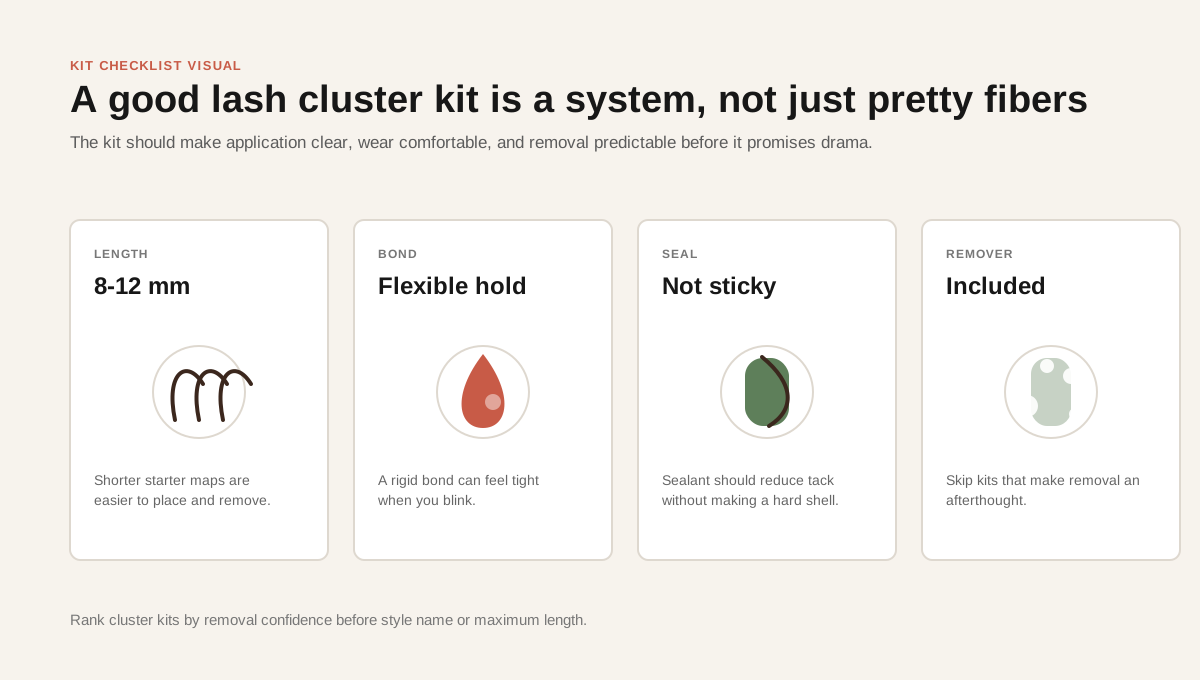
For beginners, the best lash clusters are light, flexible, shorter than the dramatic sets you see online, and paired with a bond-remover system that actually releases. Choose by eye shape, lash strength, and removal confidence before choosing by style name.
Key takeaways
- A good cluster kit should include bond, sealant, remover, and clear instructions.
- Short and medium clusters are more forgiving than extra-long outer-corner sets.
- A comfortable set should feel light when you blink.
- The best-looking kit is a bad choice if you cannot remove it gently.
How to Rank Lash Cluster Kits
Use a removal-first scorecard. A cluster kit can look beautiful on day one and still be a poor choice if the bond is too aggressive for home removal.
| Criterion | What to look for | Why it matters |
|---|---|---|
| Length range | Short, medium, and outer-corner lengths included. | Lets you customize instead of forcing one dramatic map. |
| Band flexibility | Soft, thin base that bends with the eye. | Stiff clusters poke and lift sooner. |
| Bond system | Clear instructions and a matched remover. | Removal is the safety test. |
| Weight | Light enough to forget when blinking. | Heavy clusters strain natural lashes. |
| Style clarity | Natural, wispy, volume, or cat-eye maps explained. | Beginners need maps, not mystery trays. |
Best Cluster Shape by Eye Shape
A cluster map should flatter the eye without dragging it down. When in doubt, start shorter than the inspo photo.
Use soft outer lift without going too long at the last cluster.
Most maps work, but wispy mixed lengths look more natural.
Avoid heavy top volume that brushes the lid.
Keep the far outer corner lighter so it does not pull the eye downward.
Best Lash Clusters for Beginners
Beginner-friendly clusters should come in small sections, use medium lengths, and include a remover. A kit that assumes you already know placement, mapping, and removal is not really beginner-friendly.
Start with one accent map before attempting a full under-lash set. If the first outer-corner set feels comfortable and removes cleanly, then try fuller maps.
Sensitive-Eye Checklist
The eyelids are delicate, and allergic reactions near the eye can be especially uncomfortable. Check ingredients, avoid shared testers, and patch test where the brand instructs.
- Choose latex-free if you know latex is a problem for you.
- Avoid fragrance if your eye area reacts easily.
- Do not apply clusters while the eyelid is red, flaky, swollen, or itchy.
- Stop and remove the set if you feel burning, pain, or blurred vision.
FAQ
What are the best lash clusters for beginners?
Short to medium, lightweight clusters with a clear map and dedicated remover are best for beginners.
Are under-lash clusters safe?
They can be used safely when kept away from the waterline and removed gently, but placement too close to the eye can irritate or poke.
Do lash clusters need special glue?
Most cluster systems use a bond and sealant rather than classic strip lash glue. Use the remover designed for that system.
Can lash clusters look natural?
Yes. Natural-looking clusters usually use mixed short lengths, lighter density, and fewer pieces toward the inner corner.
Sources
- U.S. Food and Drug Administration, Eye Cosmetic Safety
- American Academy of Ophthalmology EyeWiki, Eyelash Extensions