The short answer
The best lash glue is not simply the strongest. It is the adhesive that holds for the wear time you need, stays away from the eye itself, matches your sensitivity needs, and removes without pulling out natural lashes.
Key takeaways
- Strong hold is useful only if removal is safe.
- Latex-free does not guarantee irritation-free, but it matters for latex-sensitive users.
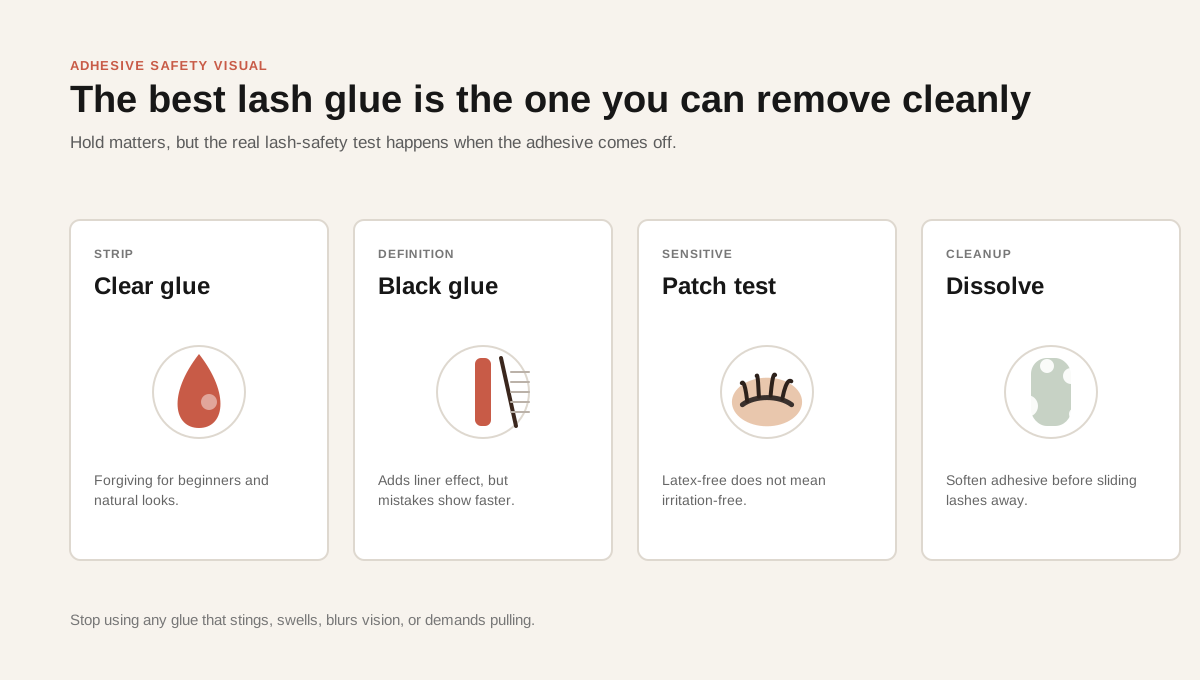
- Black glue can hide the lash band but is less forgiving for beginners.
- Any burning, swelling, pain, or vision change is a stop signal.
Lash Glue Types Explained
Choose glue by lash format first: strip lashes, individual clusters, or multi-day cluster systems.
| Glue type | Best for | Watchout |
|---|---|---|
| Clear strip adhesive | Beginners, natural looks, light bands | Can leave shine if too much is used. |
| Black strip adhesive | Liner-like finish and dramatic strips | Mistakes show more clearly. |
| Latex-free adhesive | Known latex sensitivity or cautious first test | Other ingredients can still irritate. |
| Cluster bond and seal | DIY cluster systems | Must use the matching remover and avoid the waterline. |
| Professional extension adhesive | Licensed extension application | Not for consumer strip-lash use. |
Best Lash Glue for Sensitive Eyes
Sensitive-eye glue should be judged by ingredient fit, fumes, wear time, and removal. A glue that holds for days but makes your lids itch is not a win.
Patch testing can help, but eye-area reactions are still possible. Do not apply glue to irritated, flaky, swollen, or infected skin.
Useful if latex has bothered you before.
One-day wear is often easier to control than multi-day bonds.
Usually more forgiving than black glue for beginners.
Stop if your eyes water, burn, or feel painful.
How to Remove Lash Glue
Soften glue first. Use the remover recommended by the lash or glue brand, then wait long enough for the adhesive to loosen.
If the lash does not slide away, do not pull harder. Add more remover, wait, and work from the outer corner slowly.
When to Stop Using a Lash Glue
Remove the lashes and stop using the product if you notice burning, swelling, pain, discharge, blurry vision, or a rash around the eyelid. If symptoms persist, contact a healthcare professional.
FAQ
Is latex-free lash glue better?
Latex-free glue is better for people with latex sensitivity, but it can still contain other ingredients that irritate some users.
Is black or clear lash glue better?
Clear glue is easier for beginners. Black glue can look like liner, but mistakes are more visible.
Can lash glue damage natural lashes?
Yes, especially when glue is too strong for the lash, placed too close to the eye, or peeled off without remover.
Can you use hair glue for lashes?
No. Only use products intended for the eye area and follow the label instructions.