The short answer
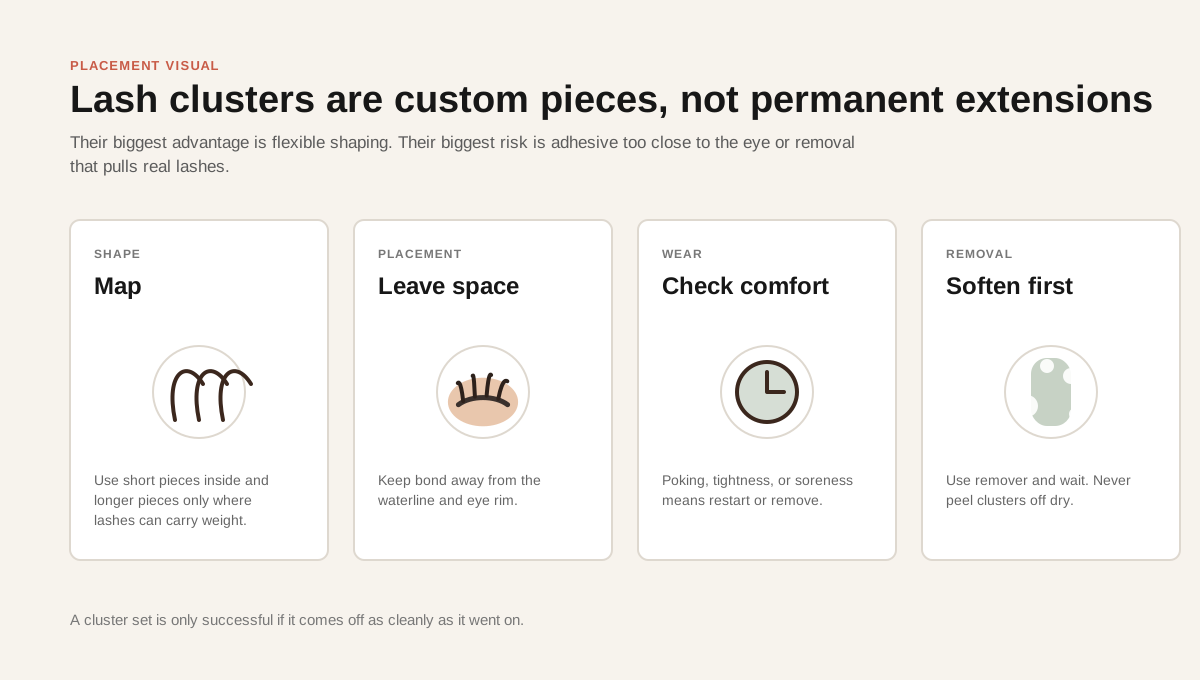
Lash clusters are small groups of false lashes that you apply in sections, often under or above the natural lashes. They can create a custom extension-like look at home, but the safety line is removal: if glue, bond, or sealant makes you tug real lashes out, the set was not worth it.
Key takeaways
- Clusters are not the same as professional extensions, even if the finished look is similar.
- Shorter, lighter clusters are usually safer for beginners than long, heavy clusters.
- Application should never touch the waterline or poke the eye.
- Removal should be slow and solvent-assisted, not peeled off dry.
What Are Lash Clusters?
Lash clusters are small lash segments that can be placed across the lash line to add shape and density. Unlike a strip lash, they let you build the outer corner, center, or full line in smaller pieces.
Most at-home cluster systems use a bond, cluster fibers, and a sealant. Some are meant for one-day wear, while others are marketed for multi-day wear. The longer they stay on, the more cleaning and removal discipline matters.
Lash Clusters vs Strip Lashes vs Extensions
Choose based on how long you want the look, how much placement skill you have, and how carefully you can remove adhesive.
| Option | Best for | Main tradeoff |
|---|---|---|
| Strip lashes | One-night drama with the fastest application. | Less custom fit and visible band if placed poorly. |
| Lash clusters | Custom outer-corner lift, wispy maps, and DIY fullness. | More pieces means more chances for sticky mistakes. |
| Salon extensions | Longer wear and professional mapping. | Higher cost, fills, cleaning, and removal discipline. |
| Lash serum | Longer-term natural-lash support. | No instant fullness. |
How to Apply Lash Clusters More Safely
Start with clean, dry lashes. Place clusters slightly away from the waterline, keep adhesive out of the eye, and use shorter lengths until you understand your eye shape.
If a cluster feels pokey, heavy, or pulls when you blink, remove it and restart. A set should not hurt.
Oil and leftover mascara make clusters slide and encourage over-gluing.
Beginners usually do better with 8 to 12 mm maps before trying drama.
Do not place adhesive on the waterline or inside the eye rim.
Pain, redness, or blurred vision is not a normal beauty tradeoff.
How to Remove Lash Clusters Without Pulling Lashes
Use the remover recommended for the bond, give it time to loosen the adhesive, then slide clusters away gently. If they do not move, add more remover and wait.
Never peel clusters off dry. If real lashes come with the clusters, the removal method was too aggressive or the bond was too strong for your routine.
FAQ
Are lash clusters bad for your lashes?
Clusters are not automatically bad, but heavy clusters, waterline placement, sleeping in them, and dry peeling can cause breakage or pull out natural lashes.
Can you sleep in lash clusters?
Some systems are marketed for multi-day wear, but sleeping in clusters increases cleaning and tangling demands. If your eyes feel irritated, remove them.
Are lash clusters better than strip lashes?
Clusters are better for custom shape. Strip lashes are faster and often easier for one-night wear.
How long do lash clusters last?
Wear time depends on the system, placement, skin oil, sleep habits, and cleaning. Many people should treat them as one-day or short-term wear unless they are very comfortable with removal.
Sources
- U.S. Food and Drug Administration, Eye Cosmetic Safety
- American Academy of Ophthalmology EyeWiki, Eyelash Extensions