The short answer
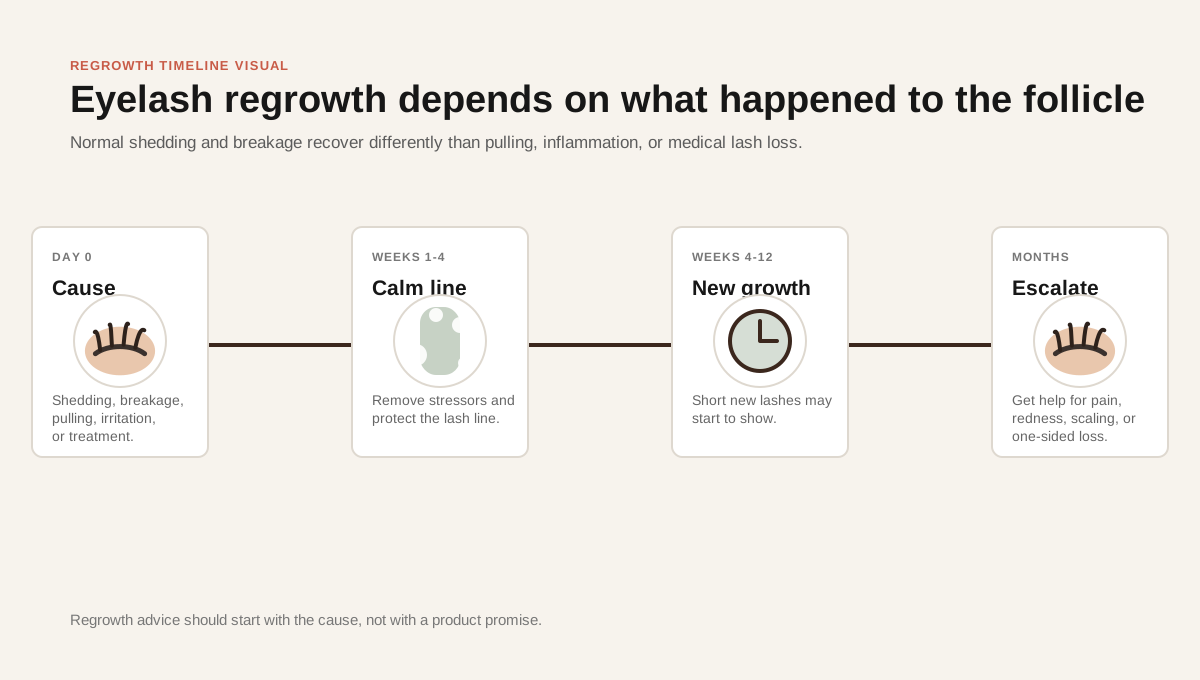
Most eyelashes grow back if the follicle is not scarred or repeatedly damaged. A single shed lash may be replaced over the normal lash cycle, while pulled-out, extension-damaged, or inflammation-related lash loss can take longer and may need the underlying cause addressed first.
Key takeaways
- Normal lash shedding is not the same as rapid lash loss.
- Regrowth is more likely when the follicle is not scarred or repeatedly injured.
- Sudden, one-sided, painful, or inflamed lash loss deserves professional evaluation.
- The fastest improvement often comes from stopping the cause of breakage first.
Eyelash Regrowth Timeline by Cause
Use the cause as your first filter. A lash that naturally shed is different from lashes pulled out with glue or lost during eyelid inflammation.
| What happened | Will lashes grow back? | What to do first |
|---|---|---|
| Normal shedding | Usually yes, as part of the lash cycle. | Leave the lash line alone and avoid overchecking. |
| Pulled out by curler, glue, or extensions | Often yes, but timing can be slower. | Stop tugging and give the follicle time. |
| Rough extension removal | Often yes if follicles were not damaged. | Avoid new extensions until the lash line looks calm. |
| Irritation, blepharitis, or mites | Often improves when the cause is treated. | Get the eyelid issue identified if symptoms persist. |
| Scarring or repeated trauma | Less predictable. | Talk to a clinician or eye-care professional. |
When Eyelash Loss Needs Help
See a healthcare provider or eye-care professional if lash loss is sudden, one-sided, patchy, painful, paired with redness or scaling, or accompanied by vision changes.
- Red, swollen, painful, or crusty eyelids.
- Loss in clumps or one eye only.
- New skin changes around the lash line.
- Discharge, blurred vision, or eye pain.
- Compulsive pulling that feels hard to stop.
What Helps Lashes Grow Back
The most important step is reducing the stressor: stop rough mascara removal, pause heavy extensions or clusters, replace old eye makeup, and keep the lash line clean without scrubbing.
A lash serum may help some people support fuller-looking lashes over time, but it should not be used to cover up an untreated eye-area problem.
| Helpful | Why |
|---|---|
| Gentle cleansing | Removes makeup and oil without pulling lashes. |
| Break from extensions or clusters | Reduces adhesive and weight stress. |
| Careful mascara removal | Prevents repeated mechanical shedding. |
| Serum only if skin is calm | Supports routine after irritation is under control. |
What Not to Do While Waiting
Do not glue heavy false lashes onto a sparse or irritated lash line just to hide the gap. That can keep the cycle going.
- Do not peel lash glue or clusters dry.
- Do not use old mascara on irritated lids.
- Do not apply products inside the eye or on the waterline unless directed by a professional.
- Do not ignore pain, discharge, or vision changes.
FAQ
How long do eyelashes take to grow back?
Many people see meaningful regrowth within 6 to 12 weeks, but the full cycle can take longer depending on cause and follicle health.
Do eyelashes grow back if pulled out?
Often yes, but repeated pulling can damage follicles and make regrowth less predictable.
Do lashes grow back after extensions?
They often do if the follicles were not damaged, but a break from extensions and gentle cleansing may be needed first.
When should I worry about eyelash loss?
Worry if loss is sudden, patchy, one-sided, painful, inflamed, or paired with vision symptoms.