The short answer
Eyelash extensions are individual or fan-like synthetic lashes bonded to natural lashes by a trained artist. They can add instant length and density, but the safest results depend on proper weight, clean application, regular cleansing, careful fills, and professional removal when needed.
Key takeaways
- Extensions should be mapped to your natural lashes, not just your inspo photo.
- Heavier is not better if your natural lashes cannot support it.
- Cleaning is part of extension maintenance, not a bonus step.
- Damage usually comes from poor isolation, excess weight, rubbing, or rough removal.
Types of Eyelash Extensions
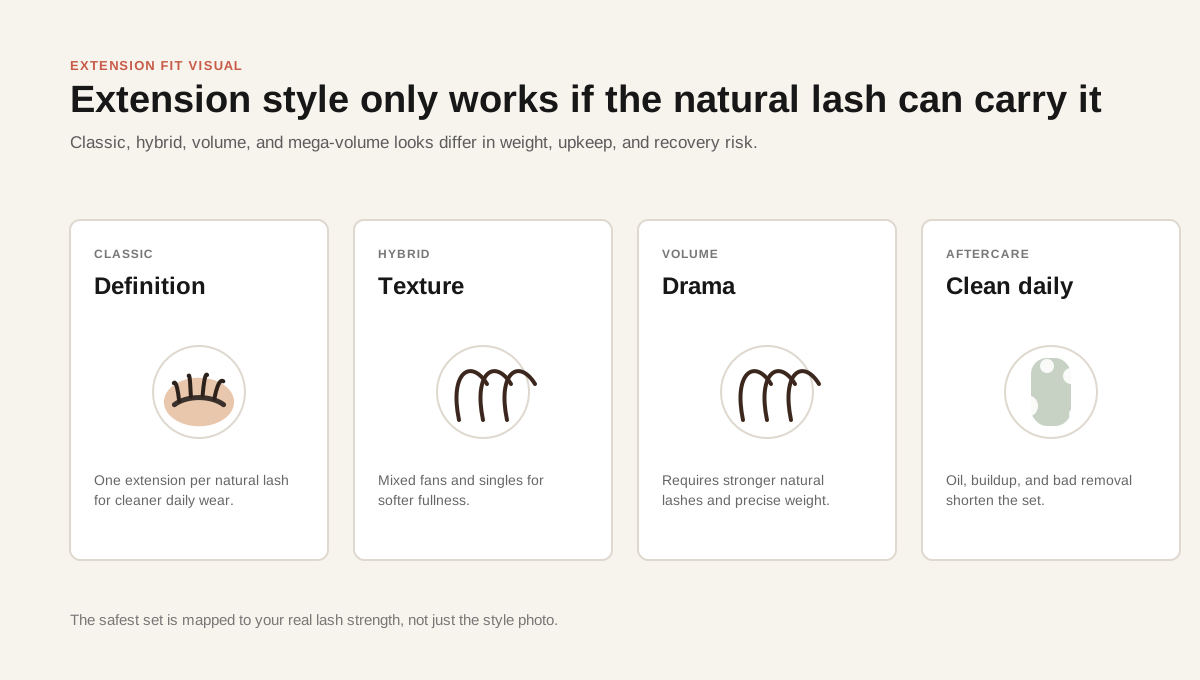
The basic menu is classic, hybrid, volume, and mega volume. The right choice depends on natural lash density and desired finish.
| Type | Look | Best for | Watchout |
|---|---|---|---|
| Classic | One extension on one natural lash | Natural length and definition. | Will not create major density on sparse lashes. |
| Hybrid | Mix of classic and fans | Texture and moderate fullness. | Can look uneven if mapping is sloppy. |
| Volume | Multiple lightweight lashes per natural lash | Soft fullness and fluff. | Weight control matters. |
| Mega volume | Very dense fan work | Dramatic looks on suitable lashes. | Highest risk if too heavy or poorly isolated. |
How Much Do Eyelash Extensions Cost?
Pricing depends on city, artist experience, set type, and fill frequency. A full set usually costs more than a fill, and volume sets usually cost more than classic.
The bigger cost is maintenance. If you cannot commit to fills, cleaning, and careful removal, temporary clusters or a lash lift may fit better.
Eyelash Extension Aftercare
Good aftercare is simple: keep lashes clean, avoid rubbing, brush gently, avoid oil-heavy products near adhesive, and book fills before the set becomes too grown-out.
Use a lash-safe cleanser, rinse thoroughly, and pat dry without rubbing.
Separate dry lashes with a clean spoolie, without tugging at the bonds.
Oil can weaken some adhesives and increase shedding.
Do not pick, twist, or pull extensions off.
Do Extensions Damage Natural Lashes?
Extensions should not automatically damage lashes. The risk rises when extensions are too heavy, multiple natural lashes are glued together, fills are delayed too long, or removal is done by pulling.
If your natural lashes look shorter, thinner, or patchier after removal, pause extensions and read our extension damage guide before rebooking.
| Risk factor | Why it matters | Safer move |
|---|---|---|
| Too much weight | Natural lashes can bend, shed, or break. | Choose lighter mapping. |
| Poor isolation | Several natural lashes glued together pull at different growth rates. | Use a skilled artist. |
| Picking | Pulls real lashes out with extensions. | Book removal or use approved remover only. |
| Dirty lash line | Buildup can irritate lids. | Clean with lash shampoo. |
FAQ
How long do eyelash extensions last?
A set gradually sheds with your natural lashes. Fills are commonly scheduled every 2 to 3 weeks.
Can you wear mascara with extensions?
Ask your artist. Many recommend avoiding mascara, especially waterproof mascara, because removal can weaken the set.
Do eyelash extensions hurt?
They should not hurt. Pain, poking, burning, or tightness means something is wrong.
How do you remove eyelash extensions?
Professional removal is safest. Do not pull them off at home.
Sources
- American Academy of Ophthalmology EyeWiki, Eyelash Extensions
- U.S. Food and Drug Administration, Eye Cosmetic Safety